2026 Best Residential Doors and Windows for Your Home?
Choosing the right residential doors and windows is essential for any homeowner. According to John Anderson, a leading expert in the residential doors and windows industry, “The right selection can transform a house into a home.” Selecting these features can greatly influence energy efficiency and security.
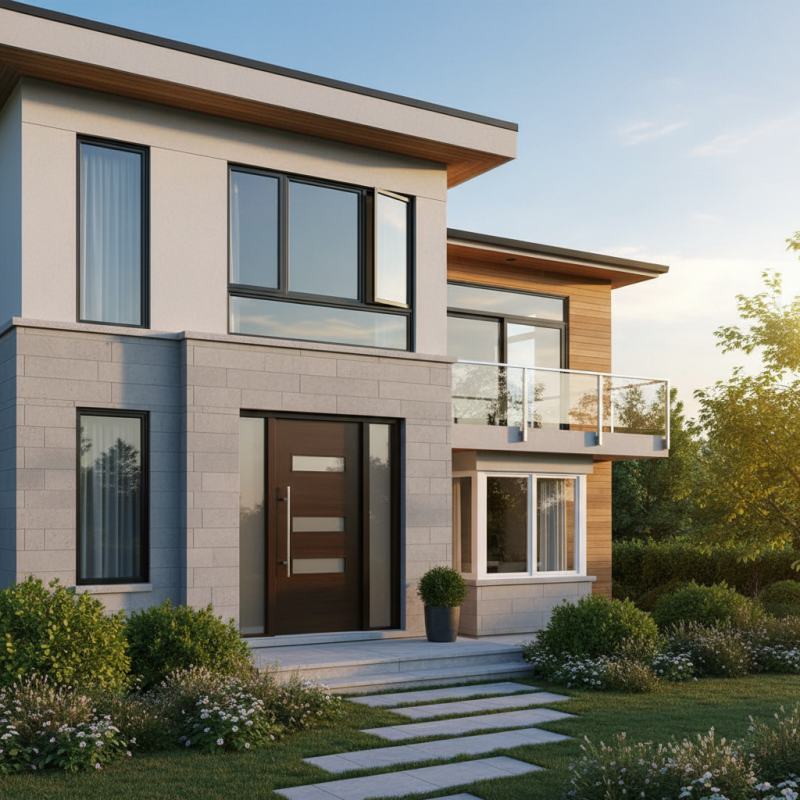
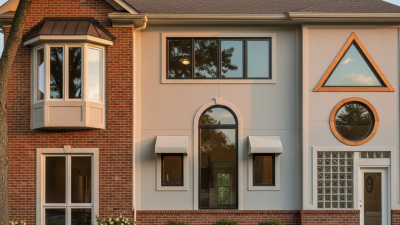
Many homeowners overlook the aesthetic options available. Windows come in various styles, from classic to modern. Each option can significantly affect the overall feel of a home. Doors, too, are not just functional; they serve as a focal point.
However, homeowners often feel overwhelmed by choices. There are so many materials and designs. Mistakes can happen, such as underestimating insulation or color coordination. It is crucial to reflect on these decisions. Finding the best residential doors and windows is more than a mere purchase; it’s an investment in comfort and style.
2026 Trends in Residential Door and Window Design and Technology
The residential door and window landscape is evolving rapidly. In 2026, trends emphasize energy efficiency and innovative designs. Homeowners are leaning towards materials that not only look good but also serve practical purposes. For instance, fiberglass and vinyl will dominate due to their durability and insulation properties.
Windows are becoming smarter. Automated systems that adjust tint based on sunlight are gaining traction. Imagine waking up to a brighter home, just because your windows adjust themselves. However, these technologies can sometimes malfunction. Regular maintenance is key to avoiding issues.
When choosing doors and windows, consider their role in security. Look for features that enhance safety without being overly complex. A simple lock can sometimes be more effective. Small details matter; a well-designed hinge can prolong the life of your doors. Pay attention to these aspects.
2026 Trends in Residential Door and Window Design and Technology
Energy Efficiency Ratings: Understanding U-Value and Solar Heat Gain Coefficient
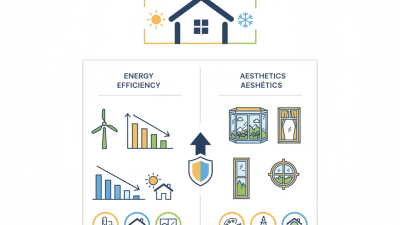
When selecting residential doors and windows, energy efficiency plays a crucial role. Understanding key metrics like U-Value and Solar Heat Gain Coefficient (SHGC) is essential. The U-Value measures heat transfer. Lower values indicate better insulation. A recent study shows that energy-efficient windows can reduce heating costs by up to 25%.
SHGC indicates how much solar heat is transmitted through windows. A lower SHGC means less heat gain, which is beneficial in warmer climates. For instance, windows with an SHGC of 0.25 or lower are ideal for homes in hot regions. Think about the sunlight your windows receive. An improper choice can lead to higher cooling costs.
Tip: Consider double-glazed windows. They often have better U-Values. Additionally, assess your home’s orientation. This can impact energy efficiency significantly. Balancing natural light and heat gain is key. Remember to request energy efficiency ratings when shopping. Being informed is power.
Material Comparisons: Vinyl, Wood, and Fiberglass for Durability and Style
When choosing materials for residential doors and windows, three options stand out:
vinyl,
wood, and
fiberglass.
Each has unique qualities contributing to the overall look and function of your home.
Vinyl windows and doors are known for their
low maintenance and durability. They resist moisture
and don’t warp easily. However, the appearance can sometimes feel less appealing, lacking the warmth
of natural materials.
Wood, on the other hand,
offers unmatched beauty and can be customized in various styles. But, it requires
regular upkeep and can be less durable against harsh weather.
Fiberglass is an interesting compromise.
It offers durability and can mimic the look of wood. However, installation can be
more challenging, which may lead to additional costs.
While it doesn’t require much maintenance,
colors can fade over time. Each material has
its pros and cons, and finding the right balance is essential for an ideal home setup.
Security Features in Modern Residential Doors and Windows: A Statistical Overview
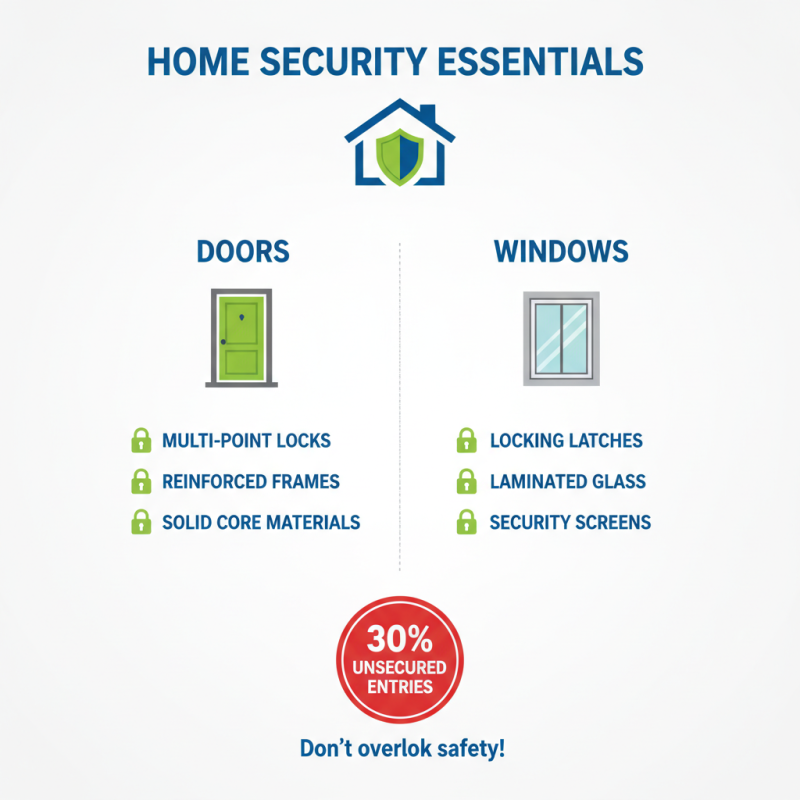
When considering residential doors and windows, security features are essential. Many homeowners overlook this aspect, focusing only on aesthetics. However, the right features can significantly enhance safety. According to recent statistics, nearly 30% of unauthorized entries occur through unsecured doors and windows. This number is concerning and highlights the need for better security measures.
Modern doors often come with advanced locking systems. Multi-point locks are now more common, offering fewer vulnerabilities. Reinforced frames add another layer of protection. Most windows can feature laminated glass, which resists shattering. These enhancements make it harder for intruders to gain access.
**Tip:** Regularly check and maintain the locking mechanisms. A simple jammed lock can render your security useless.
Not all homes are created equal. Older homes may have outdated security features. Homeowners should assess their current doors and windows. Consider replacements if they show significant wear and tear. Poorly maintained installations can become weak points.
**Tip:** Install window sensors or alarms for added safety. These small devices can alert homeowners to potential intrusions.
Cost-Benefit Analysis of Upgrading Your Home’s Doors and Windows in 2026
Upgrading your home’s doors and windows in 2026 can be a smart investment. High-quality options enhance energy efficiency and curb appeal. However, the costs can be significant, so weigh the benefits carefully. New doors and windows can lower utility bills. They help maintain a comfortable indoor climate year-round.
Tips: Consider the style of your home when choosing new doors and windows. A mismatch can detract from your property’s overall appeal. Look for energy-efficient models that have a proven track record. They not only save money but also reduce your carbon footprint.
While upgrading is beneficial, it’s essential to budget wisely. Prices vary widely depending on materials and installation costs. Do thorough research and get multiple quotes. Be cautious of “too good to be true” deals. Sometimes, low prices mean hidden costs or lower quality. Take your time to evaluate options and decide what truly fits your needs.