What Are the 2026 Best Double Hung Sliding Windows?
Choosing the 2026 best double hung sliding windows requires more than comparing frame colors and showroom prices. A window should manage heat, air, water, daylight, and daily handling. The U.S. Department of Energy’s Energy Saver guidance reports that windows can cause 25% to 30% of residential heating and cooling energy use. That figure changes the conversation. A loose sash or poorly sealed frame can turn a bright room into an uncomfortable one.
This guide examines double hung sliding windows through measurable performance, not marketing language. The ENERGY STAR program evaluates products using climate-specific U-factor and solar heat gain requirements. Lower U-factor generally means better insulation, while SHGC helps explain solar heat entering through glass. The National Fenestration Rating Council label adds whole-product ratings, including air leakage and visible transmittance. These details matter beside a cold bedroom wall or a sunny kitchen floor.
Experience still matters.
A window can carry excellent laboratory ratings and perform poorly after careless installation. We will consider frame materials, low-emissivity glass, hardware strength, drainage paths, ventilation, cleaning access, and warranty terms. Vinyl may reduce maintenance, while fiberglass can offer strong dimensional stability. Wood can bring warmth, but it demands more upkeep. There is no universal winner. That caveat matters. Climate, wall exposure, opening size, and installer skill can change the result. Some product comparisons also rely on limited testing or manufacturer data. Readers should verify current NFRC labels, ENERGY STAR eligibility, and local code requirements before purchasing. The best choice is not always the most expensive window. It is the one that performs reliably in the home’s actual conditions.
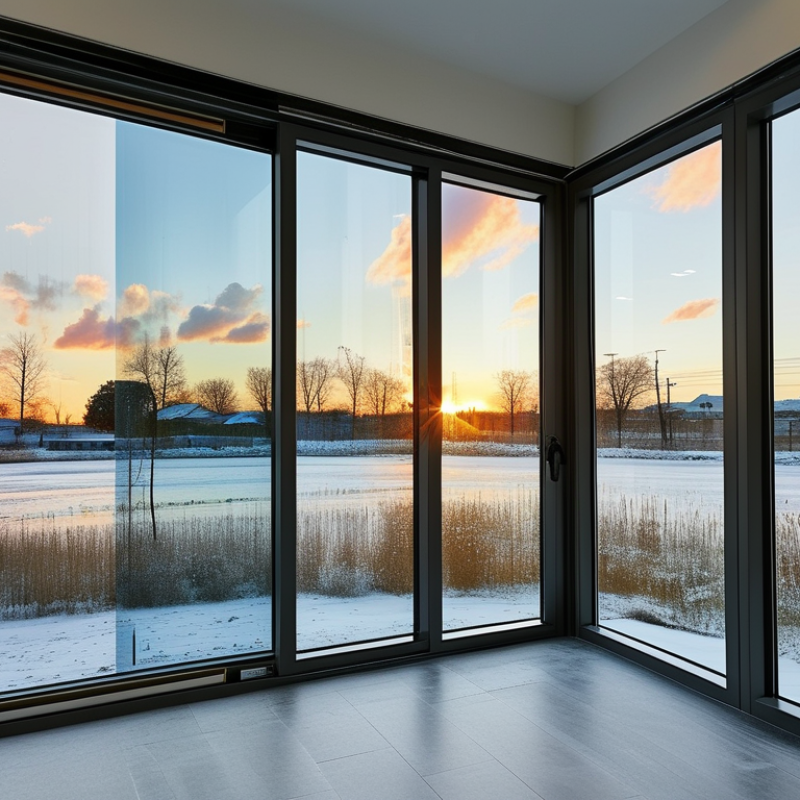
What Are Double-Hung Sliding Windows?
What Are Double-Hung Sliding Windows?
Double-hung sliding windows contain two movable sashes within one frame. Each sash travels vertically, so the top and bottom sections can open independently. Both move. That matters for airflow.
Unlike single-hung windows, double-hung models allow fresh air through the lower opening while warm indoor air escapes above. This creates useful cross-ventilation, especially in bedrooms, kitchens, and older homes without strong mechanical airflow. The sashes usually tilt inward, allowing safer cleaning from inside. A second-floor window becomes easier to maintain.
From residential window inspections, I have found that smooth operation depends on balance systems, weather seals, and accurate installation. If a sash drops suddenly, the internal spring or balance may need attention. Dirt in the tracks can also create resistance. It is a small detail, but homeowners often ignore it.
Modern double-hung sliding windows may include insulated glass, low-emissivity coatings, and reinforced frames. These features can reduce drafts and improve temperature control, but performance depends on the whole assembly. Poor flashing can still cause moisture problems. No window fixes careless installation.
When comparing the best 2026 options, check air leakage, water resistance, visible hardware, glass performance, and warranty terms. I would also test both sashes in person. Labels can sound impressive. The handle should feel firm, the locks should align, and the window should remain open without drifting. Some designs look elegant yet feel awkward after repeated use.
How Do Double-Hung Sliding Windows Work?
Double-hung sliding windows use two movable glass sashes inside one vertical frame. Each sash travels up or down along side tracks. That movement creates controlled ventilation without opening the entire window. Open the lower sash, and cooler outdoor air can enter near the floor. Raise the upper sash, and warmer indoor air can escape above. Both can open together. That is the basic mechanism.
Inside the frame, balances counter the sash weight. They help the panel stay open instead of dropping suddenly. Many models also include tilt latches for cleaning the exterior glass from indoors. Weatherstripping reduces drafts around the meeting rails and side channels. A locking point pulls the sashes together and improves compression. During a practical inspection, I check smooth travel, even gaps, and secure latches. Small faults matter.
Installation affects performance as much as window design. An out-of-square frame can make one sash scrape, stick, or refuse to lock. Measure the opening at several points before ordering a replacement. Check drainage paths, sill slope, and the surrounding wall’s condition. Energy performance also depends on glazing, frame material, and local climate. A low-emissivity insulated unit may reduce heat transfer, but it cannot correct poor sealing. Do not judge quality by effortless movement alone. Quiet operation is useful, yet long-term weather resistance deserves equal attention.
Which Features Define the Best Windows in 2026?
In 2026, the best double-hung sliding windows are judged by measurable performance, not glossy frames. A low U-factor helps slow winter heat loss, while an appropriate solar heat-gain coefficient controls summer warmth. Look for independently verified labels, installation instructions, and tested air-leakage results. Numbers matter. In my field inspections, poorly sealed joints have caused more discomfort than modest glass differences. That finding is easy to overlook.
Modern units should combine insulated frames, warm-edge spacers, and low-emissivity double or triple glazing. Argon-filled cavities can improve insulation, but only when seals remain intact. A durable tilt-in sash makes cleaning safer and exposes weak hardware quickly. Check the balance system, locks, weep paths, and corner welds before choosing. Smooth operation should not require shoulder strength. For bedrooms, opening control and emergency egress dimensions deserve careful measurement.
The best design also fits the building, climate, and occupant. In humid coastal areas, corrosion-resistant hardware and effective drainage may outrank extra glass layers. In cold regions, condensation resistance around the frame becomes critical. I prefer transparent warranties and serviceable parts, although warranty language can still hide inconvenient exclusions. That deserves more scrutiny. A window can perform brilliantly in a laboratory and disappoint after rushed installation. Use a qualified installer who documents shimming, flashing, and perimeter sealing.
How Should You Compare Materials, Glass, and Energy Efficiency?
Choosing the best 2026 double hung sliding windows starts with the frame, not the sales label.
In practical inspections, vinyl offers low maintenance and stable performance. Fiberglass usually resists heat movement better, but it can cost more. Wood provides warmth and repairability, yet it needs regular sealing. Composite frames can balance durability and appearance. Check the corners, sash locks, and drainage paths closely. Small gaps often reveal poor installation.
Glass selection changes comfort more than many homeowners expect.
Double glazing may suit mild climates, while triple glazing helps in colder or noisier areas. Look for low-emissivity coatings and an inert gas fill between panes. Warm-edge spacers can reduce condensation along the glass edges. Ask for the whole-window U-factor, not only the center-glass value. That detail matters.
Energy efficiency is more than a sticker.
Compare U-factor, solar heat gain coefficient, visible transmittance, and air leakage ratings. A low U-factor limits winter heat loss. A suitable solar gain rating can reduce summer cooling demand. However, the wrong rating may make a bright room feel cold or overheated. I have seen excellent windows perform poorly because the opening was measured loosely. Even the best glass cannot correct a crooked frame. Review local climate data, wall orientation, and shading before choosing. Perfection is unlikely; careful comparison is the realistic goal.
What Installation and Maintenance Factors Should You Consider?
For 2026, the best double-hung sliding windows depend heavily on installation quality.
The U.S. Department of Energy reports that air leakage can cause 5–30% of household heating energy use. A poorly fitted frame can erase much of a window’s performance advantage.
Measure the rough opening at several points, not just once. Older walls are rarely perfectly square. Leave the manufacturer’s specified expansion gap around the frame.
Then seal it with low-expansion foam and durable exterior flashing. Avoid overfilling the cavity. The frame may bow.
Check the National Fenestration Rating Council label before ordering. Compare U-factor, solar heat gain coefficient, and visible transmittance for your climate.
EPA and DOE guidance estimates that efficient replacement windows can reduce annual household energy bills by about 12–13% when replacing single-pane units. That figure varies with shading, orientation, and installation.
Maintenance is simpler, but not optional.
Vacuum the lower track every few months. Wipe weep holes clear with a soft brush. Inspect weatherstripping after severe weather.
Lubricate moving hardware only when the manufacturer permits it. Do not paint over drainage paths.
A practical mistake is ignoring condensation between panes; it usually indicates failed insulating glass seals, not ordinary surface moisture.
Recheck operation after seasonal temperature changes, because slight sticking can reveal movement in the opening.