Best House Windows for Energy Efficiency in 2026?
As energy efficiency becomes a priority, choosing the right house windows is crucial. In 2026, homeowners face various options designed to reduce energy consumption. Innovative materials and technologies transform standards in window design.
Modern house windows use advanced glazing techniques to minimize heat loss. Double and triple-pane windows enhance insulation, keeping homes comfortable year-round. In colder climates, specialized coatings are now available to reflect heat back inside. Yet, not every window performs as advertised.
Homeowners should consider their specific needs. Factors like climate, home style, and budget play a vital role. While some options appear cost-effective, they may lack durability. Others promise high efficiency but require expensive installation. Making informed choices ensures long-term savings and comfort.
Overview of Energy Efficiency in Home Windows
Energy efficiency in home windows is crucial for reducing utility costs. In 2026, selecting the right windows can make a significant difference. Many homeowners overlook how much energy loss occurs through poor window choices. The right materials and technologies can greatly enhance insulation and reduce heating and cooling needs.
Double-glazed windows, for example, can minimize heat transfer. They contain a layer of inert gas between two panes of glass, which acts as a barrier. This design can significantly lower energy consumption. However, not all double-glazed options are created equal. Homeowners must consider factors like the frame material and the quality of installation.
Another option is low-emissivity (Low-E) glass. This innovative technology reflects heat back into the home while still allowing light to enter. Yet, it may not suit every climate. In warmer areas, windows that block more sunlight might be preferable. It’s vital to assess personal needs and local conditions before making a final decision. Be prepared for trial and error, as energy efficiency varies widely among different window types.
Best House Windows for Energy Efficiency in 2026
Key Features of Energy-Efficient Windows
When considering energy-efficient windows for your home in 2026, look for specific features that can enhance performance. One critical aspect is the type of glazing. Double or triple glazing is beneficial. This design traps air, providing better insulation against outside temperatures. It helps maintain a consistent indoor climate. Any condensation between the panes may indicate poor sealing and compromise efficiency.
Another essential feature is low-emissivity (Low-E) coatings. These coatings reflect heat while allowing natural light in. They can significantly reduce heating and cooling costs. Look for windows with a high solar heat gain coefficient (SHGC) for warmer climates. However, a low SHGC may be better if you live in cooler areas. Balancing this is tricky, and mistakes could lead to higher energy bills.
Consider frame materials as well. Vinyl, wood, and fiberglass each have benefits. Vinyl is low maintenance while wood offers aesthetic appeal. However, wood requires regular upkeep. Think about your long-term needs and lifestyle. Poor choices could lead to regrets down the road. The right windows should combine functionality with your personal style. Think carefully about what will work best for you.
Best House Windows for Energy Efficiency in 2026
| Window Type |
U-Factor |
Solar Heat Gain Coefficient |
Visible Transmittance |
Frame Material |
Average Cost |
| Double Glazed Vinyl |
0.30 |
0.25 |
0.70 |
Vinyl |
$300 |
| Triple Glazed Wood |
0.20 |
0.20 |
0.65 |
Wood |
$500 |
| Double Glazed Aluminum |
0.25 |
0.30 |
0.60 |
Aluminum |
$350 |
| Triple Glazed Fiberglass |
0.18 |
0.15 |
0.75 |
Fiberglass |
$600 |
| Double Glazed Low-E |
0.22 |
0.22 |
0.68 |
Composite |
$400 |
Top Energy-Efficient Window Materials for 2026
When considering energy-efficient windows in 2026, the materials used are crucial. Vinyl windows are becoming popular. They offer good insulation, but they can warp in extreme heat. On the other hand, fiberglass windows are more robust. They resist warping and are durable. However, they may cost more upfront.
Wood-clad windows combine traditional aesthetics with energy efficiency. They provide excellent insulation, but require regular maintenance. Homeowners have to be diligent with upkeep. Aluminum frames are lightweight and strong but conduct heat. This can undermine their energy efficiency. A reflective coating can help, yet it adds to the cost.
Choosing the right material is a balance. Reflect on your climate and budget. Will you prioritize aesthetics, durability, or insulation? These decisions impact both comfort and future utility bills. Be aware that the latest technologies may also come with their set of challenges. Staying informed is essential for making the best choice in 2026.
Evaluating Window Ratings: U-Factor and SHGC Explained
When considering energy-efficient windows, it's crucial to understand two key ratings: U-Factor and Solar Heat Gain Coefficient (SHGC). The U-Factor measures the window's insulation ability. A lower U-Factor indicates better thermal performance. For example, windows with a U-Factor of 0.30 or lower are ideal for colder climates. This rating can significantly affect heating costs during winter.
On the other hand, SHGC measures how much solar radiation passes through the window. A lower SHGC means less solar heat gained, which is beneficial in hotter climates. A SHGC of 0.25 to 0.40 is often recommended for energy efficiency. In areas with high solar exposure, a lower SHGC can keep cooling costs down.
Tips: Look for the ENERGY STAR label when choosing windows. This can help you find products that meet energy efficiency standards. Consider the climate in your area. Choose a U-Factor and SHGC that aligns with seasonal temperature changes. Evaluate your home’s exposure to sunlight. This can guide you in making the best selection for energy savings. Energy-efficient windows might require a larger investment upfront. However, the long-term savings on energy bills can outweigh initial costs.
Future Trends in Energy-Efficient Window Technology
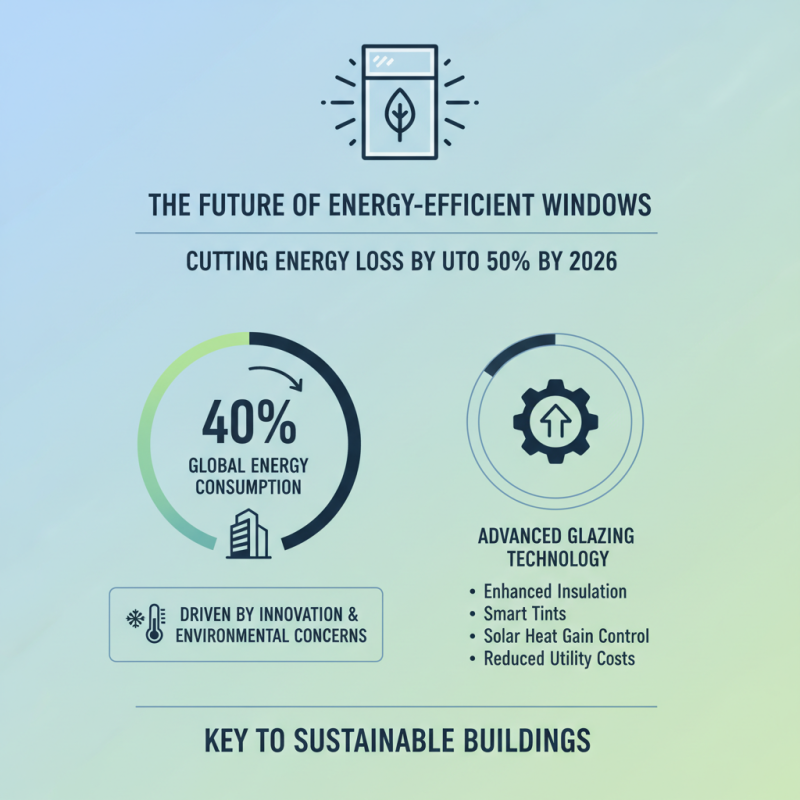
The future of energy-efficient windows is evolving rapidly, driven by innovation and environmental concerns. Reports indicate that by 2026, windows with advanced glazing technology could reduce energy loss by up to 50%. This transformation is significant, as buildings account for nearly 40% of global energy consumption.
New materials, such as aerogels and vacuum-insulated panes, are gaining traction. These can enhance thermal performance, providing better insulation and comfort. Additionally, smart glass technology allows windows to adjust their tint based on sunlight exposure. This not only cuts cooling costs but also improves indoor comfort. Some studies suggest potential energy savings of 30% in residential settings alone.
However, challenges remain. The high initial cost of these technologies may deter some homeowners. Awareness and education about long-term savings are crucial. Not every household can invest right now. Some older buildings may face retrofitting hurdles. There's a need for more accessible solutions that fit varying budgets. Overall, while exciting advancements are on the horizon, reflection on practicality and affordability is essential for widespread adoption.