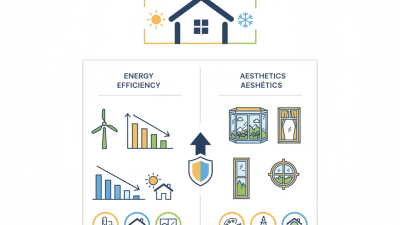
The Best 10 Residential Windows for Energy Efficiency and Style?
When considering residential windows, energy efficiency and style are paramount. Experts in the field emphasize the importance of both factors. According to John Smith, a leading window consultant, "Choosing the right residential windows can dramatically lower energy bills and enhance curb appeal."
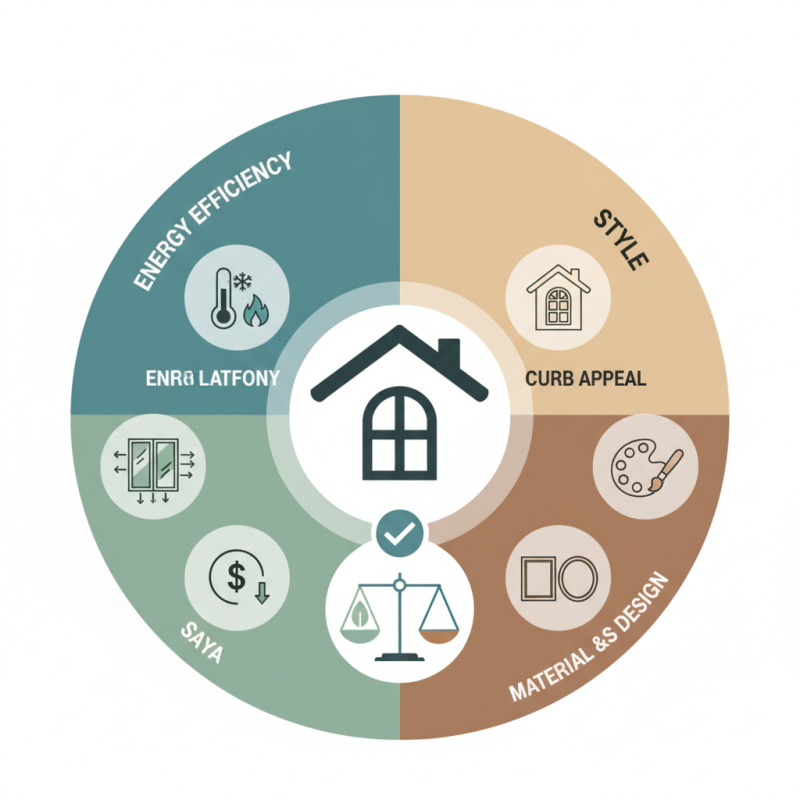
With numerous options available, selecting the best windows requires thoughtful consideration. Factors like insulation, frame material, and design play crucial roles. Double-pane glass can significantly reduce heat loss. Similarly, stylish frames not only complement the home but also improve energy performance.
However, not all windows meet these standards. Some choices may seem appealing but lack function. Homeowners often overlook long-term savings for short-term aesthetics. This could lead to regret down the line. Ultimately, striking a balance between energy efficiency and style is key when choosing residential windows.
Understanding Energy Efficiency Ratings for Residential Windows
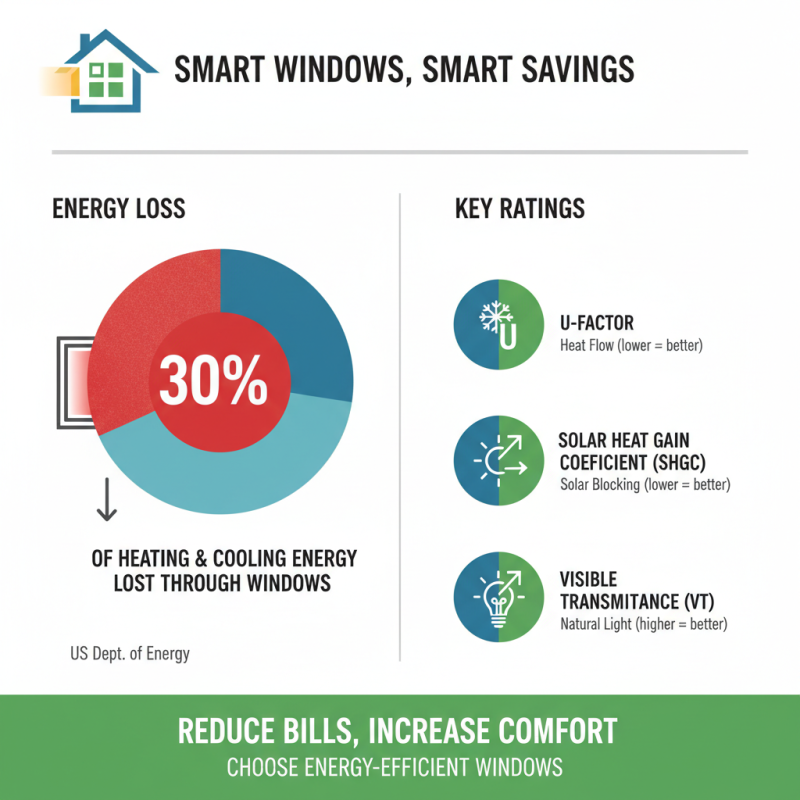
When choosing residential windows, energy efficiency ratings play a critical role. Windows are not just about aesthetics; they influence energy consumption significantly. In fact, according to the U.S. Department of Energy, roughly 30% of heating and cooling energy is lost through inefficient windows. Understanding the ratings can help homeowners make better decisions.
Energy efficiency is often determined by factors such as U-factor, solar heat gain coefficient (SHGC), and visible transmittance. The U-factor measures how well a window insulates. Lower U-factors indicate better insulation. A window with a U-factor of 0.20 is considered excellent, while those above 0.30 may lead to higher energy bills. The SHGC indicates how much heat from sunlight is admitted. A lower SHGC may be beneficial in hot climates. In cooler regions, a higher rating helps retain warmth.
Many homeowners overlook the importance of these ratings. Some might focus too much on the window's appearance. But, prioritizing performance can lead to significant cost savings. Double or triple-pane windows often provide better insulation. However, they might not always fit every budget. Proper installation also matters. Poorly installed windows can negate the benefits of even the best-rated products. Balancing style and energy efficiency is essential, but it requires careful thought.
Top 10 Window Materials for Optimal Insulation and Durability
When looking for the best window materials for energy efficiency, consider their insulation properties and durability.
Fiberglass windows stand out for their impressive insulation values. They resist temperature changes well, helping to keep homes comfortable year-round. However, they can be more expensive than other options, which might not fit every budget.
Vinyl is another popular choice due to its affordability and low maintenance. These windows provide decent insulation and come in various styles. Still, their color choices can fade over time, requiring occasional updates.
Aluminum windows, while sturdy, often lack insulation and may not be the best for energy efficiency.
Wood windows offer natural beauty and good insulation. However, they require more maintenance to prevent rot or warping. Homeowners need to weigh these factors when choosing the right material. Each option has its pros and cons, and the choice largely depends on personal preference and long-term goals.
Key Design Features Enhancing Style and Performance in Windows
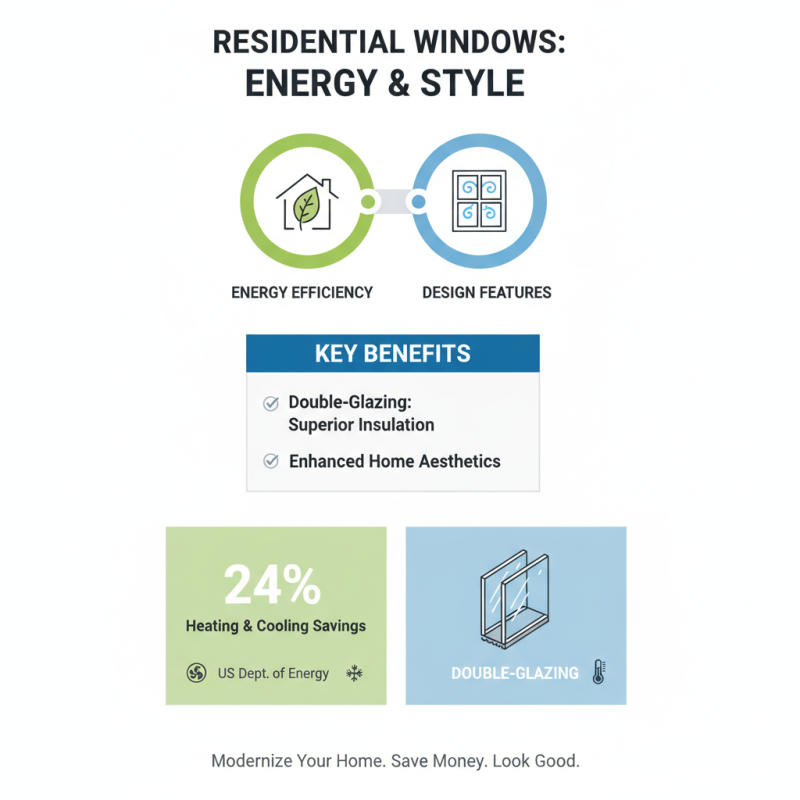
When considering residential windows, energy efficiency and style are paramount. Key design features can significantly enhance both. Double-glazing, for instance, is a standard in modern windows. It provides excellent thermal insulation. According to the U.S. Department of Energy, homes with double-glazed windows can save up to 24% on heating and cooling costs.
Choosing low-emissivity (Low-E) glass can further improve energy performance. This type of glass reflects heat back indoors during winter and keeps it out in summer. The efficiency of Low-E glass can reduce energy bills by an additional 12%. Consider windows with insulated frames made from vinyl or fiberglass. These materials are durable and improve overall insulation.
Tip: Look for windows with the ENERGY STAR label. This designation ensures they meet energy efficiency guidelines set by the EPA.
While aesthetics matter, functionality should not be overlooked. Some homeowners may prioritize style over performance. However, this can lead to higher energy costs. It’s crucial to balance personal taste with energy-saving features. Desired designs could limit options, but exploring various styles can lead to surprising choices.
Tip: Consult with experts before making a final decision. Professional insights can direct you toward energy-efficient designs that complement your home’s look.
Comparative Analysis of Energy Star Rated Windows and Their Impact
When choosing residential windows, energy efficiency is critical. Energy Star rated windows can significantly affect energy consumption. Their design minimizes heat loss during winter and heat gain in summer. This enhances the home’s comfort level while lowering utility bills.
Many windows feature double or triple glazing. This technology improves insulation and reduces outside noise. However, not all homes benefit equally from this upgrade. Local climate and house orientation matter. Some homeowners may find that the additional cost doesn't always pay off in energy savings.
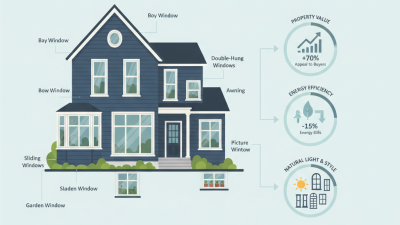
Choosing the right window style adds to the aesthetic appeal. Options range from modern casements to classic double-hung designs. Yet, achieving a perfect blend of style and efficiency can be challenging. Some designs might compromise functionality. Homeowners often have to weigh how much they value aesthetics against energy performance.
The Best 10 Residential Windows for Energy Efficiency and Style
| Window Type |
Energy Efficiency Rating |
U-Factor |
Solar Heat Gain Coefficient |
Style Options |
Warranty Period |
| Double-Hung Windows |
Energy Star Approved |
0.30 |
0.25 |
Classic, Modern |
20 Years |
| Casement Windows |
Energy Star Approved |
0.29 |
0.22 |
Contemporary, Craftsman |
25 Years |
| Sliding Windows |
Energy Star Approved |
0.31 |
0.24 |
Modern, Minimalist |
15 Years |
| Awning Windows |
Energy Star Approved |
0.28 |
0.19 |
Contemporary, European |
20 Years |
| Picture Windows |
Energy Star Approved |
0.27 |
0.20 |
Modern, Traditional |
20 Years |
| Bay Windows |
Energy Star Approved |
0.30 |
0.23 |
Victorian, Contemporary |
25 Years |
| Specialty Windows |
Energy Star Approved |
0.31 |
0.26 |
Custom Designs |
Lifetime |
| Skylight Windows |
Energy Star Approved |
0.30 |
0.21 |
Modern, Innovative |
10 Years |
| Storm Windows |
Energy Star Approved |
0.31 |
0.27 |
Traditional, Functional |
15 Years |
Cost-Benefit Analysis of Energy-Efficient Windows Over Time
Energy-efficient windows can significantly reduce heating and cooling costs. According to the U.S. Department of Energy, replacing old windows with energy-efficient ones can save homeowners an average of $126 to $465 per year. This depends on various factors, including climate and house size. The initial investment varies, but most energy-efficient windows yield a positive return over time.
Over a 20-year period, these windows often pay for themselves through energy savings. A study from the National Renewable Energy Laboratory found that homeowners save about $12,000 over the lifespan of energy-efficient windows. This saving is based on lower energy bills and increased home value. Yet, not all windows are created equal; the efficiency gains depend on the materials and installation quality.
However, the cost-benefit balance isn't always straightforward. Upfront costs are higher than standard windows. Some homeowners may hesitate to invest. Environmental impacts from production are also a concern. Choosing the right energy-efficient model requires careful consideration. Balancing cost with long-term benefits is essential for informed home improvement decisions.