Why Are These the Best Home Windows for Your House?
Choosing the right windows for your home is crucial. The best home windows can enhance energy efficiency significantly. According to the U.S. Department of Energy, high-performance windows can save homeowners around 15% on energy bills annually. This savings means comfort and cost-effectiveness go hand in hand.
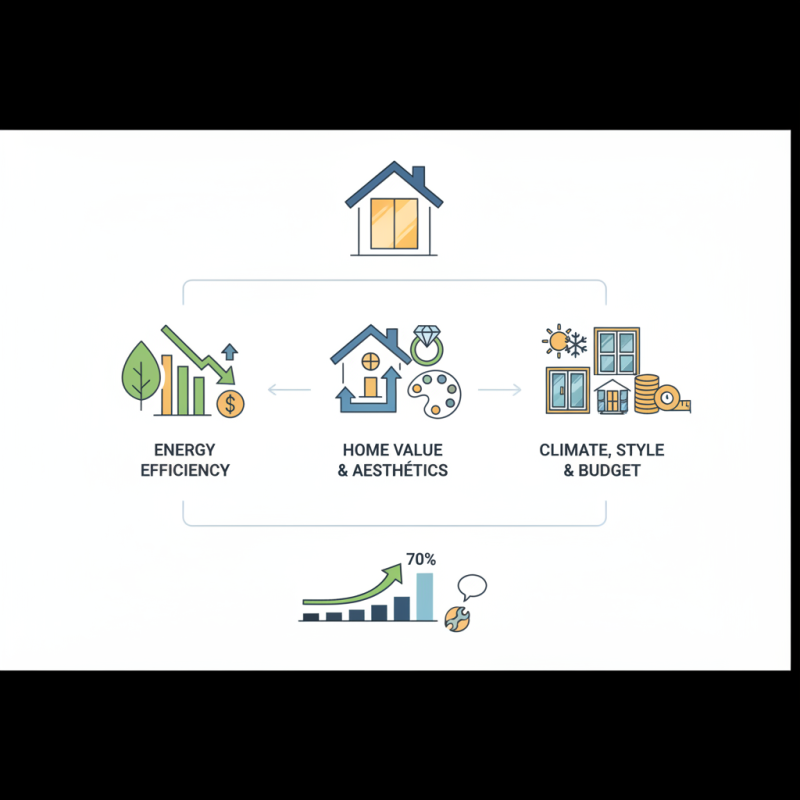
Windows do more than keep the elements out. They affect aesthetics and can add value to your home. For instance, a study by Remodeling magazine shows that replacing old windows can yield a return of up to 70%. However, selecting the best home windows also involves consideration of factors like climate, style, and budget.
Not every window suits every home. Some materials resist weather better than others. However, the best choice will depend on individual preferences and local conditions. Homeowners often overlook these details, leading to regrets later. Investing in the right windows requires careful thought, balancing beauty with functionality.
Factors to Consider When Choosing Home Windows for Your House
Choosing the right windows for your home is crucial. Several factors influence this decision.
Energy efficiency is one of the most important.
According to the U.S. Department of Energy, windows account for up to 30% of heating and cooling energy use.
Selecting windows with a high energy performance rating can significantly reduce energy costs.
Look for energy-efficient features like double glazing and low-E coatings.
Another critical factor is durability.
Weather conditions can impact the lifespan of your windows. High-quality materials resist damage and wear.
Vinyl, fiberglass, and wood-clad options often offer the best balance of durability and aesthetics.
Remember to consider maintenance too. Some materials require more upkeep than others.
Tips: When measuring windows, ensure accuracy.
Small mistakes can lead to fitting issues. A properly sized window enhances energy performance.
Don’t forget to assess your home’s style.
Windows should complement exterior design.
It’s not just about function; aesthetics matter too. Ultimately, informed choices lead to better outcomes.
Types of Windows: Understanding Styles and Materials Available
Choosing the right windows for your home is essential. Windows come in various styles and materials. Each option affects energy efficiency, aesthetics, and cost. According to a 2022 report by the U.S. Department of Energy, good windows can cut energy costs by 10-30%. This shows the importance of making an informed choice.
Vinyl windows are popular for their affordability and low maintenance. They resist moisture well and can last for decades. However, their color choices are limited. Many homeowners desire a more tailored look that vinyl does not provide.
Wood windows offer natural beauty and better insulation. But they require more upkeep, often needing repainting or sealing.
Aluminum windows are sleek and modern. They are strong and durable, which is a plus. Yet, they tend to have poor insulation, causing potential energy loss.
Fiberglass is another option. It mimics the look of wood but offers better performance. Despite its advantages, fiberglass windows can be expensive. Seeking a balance between style, function, and budget remains a challenge for many homeowners.
Energy Efficiency: How Windows Impact Your Home's Insulation
Windows play a vital role in your home's insulation. They can significantly influence energy efficiency.
According to the U.S. Department of Energy, about 30% of heating and cooling energy can be lost through windows.
This statistic underscores the importance of choosing the right windows for your home.
Energy-efficient windows are designed to minimize heat transfer.
They often feature multiple panes, inert gas fills, and low-emissivity (Low-E) coatings.
These innovations help keep your home warm in winter and cool in summer.
According to the Efficient Windows Collaborative, energy-efficient windows can reduce household energy bills by up to 15%.
Yet, many homeowners overlook this aspect of renovation or construction.
Not all windows are created equal. Traditional single-pane windows offer poor insulation.
They can lead to discomfort and higher energy costs. Homeowners may find themselves replacing these types of windows sooner than expected.
Investing in quality, energy-efficient options is crucial.
It might feel overwhelming. But, understanding the long-term savings can guide better choices.
Ignoring this could mean paying the price for years to come.
Cost vs. Value: Evaluating the Long-Term Investment in Windows
When considering new windows for your home, understanding cost versus value is crucial. Energy-efficient windows can lead to lower utility bills. However, the initial investment can be high. Homeowners may struggle with this decision. They want quality without breaking the bank.
It's important to assess long-term benefits. Quality windows can last decades with proper care. They can enhance your home's curb appeal, boosting its market value. Yet, not every window offers the same return on investment. Some materials last longer, while others may require frequent replacements.
Incorporating windows that match your home's style is essential. Consider local climate factors as well. Not all windows perform equally well in different environments. Balancing aesthetics and functionality might be a challenge. Reflect on the upgrade's impact on overall home comfort and resale value. This investment goes beyond mere appearance; it’s about creating a living space that truly meets your needs.
Maintenance and Durability: What to Expect from Your Windows Over Time
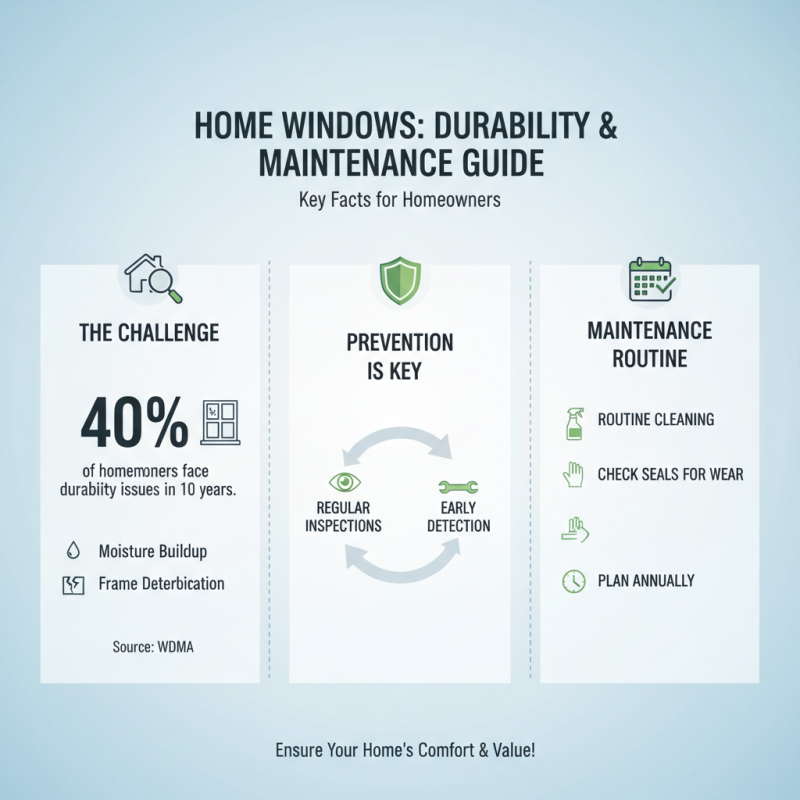
When considering windows for your home, maintenance and durability are critical factors. According to the Window and Door Manufacturers Association, 40% of homeowners face issues with window durability over a decade. Common problems include moisture buildup and frame deterioration. Regular inspections help identify these early. Plan for routine cleaning and check seals for wear.
Materials greatly influence long-term performance. Vinyl windows can last up to 40 years with minimal upkeep. Wood windows, while aesthetically pleasing, often require more maintenance and can rot without proper care. Approximately 30% of homeowners report issues with wooden frames within 15 years. Understanding these nuances is essential for any homeowner.
Additionally, energy efficiency plays a key role in durability. Poor insulation can lead to higher energy bills and increased wear on windows. A study by the National Resources Defense Council shows that energy-efficient windows can decrease heating and cooling costs by 15%. Balancing appearance and function is crucial; choosing the right window type can lead to a more sustainable living environment. Plan for the future by investing in quality materials and regular maintenance.