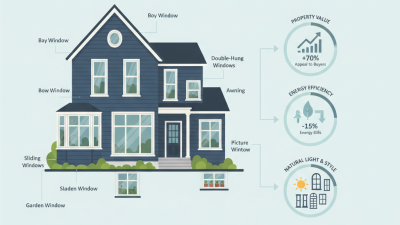
Why Choose the Best Home Windows for Your Home?
Choosing the best home windows significantly impacts energy efficiency, aesthetics, and comfort. According to the National Association of Home Builders, installing energy-efficient windows can reduce heating and cooling bills by up to 25%. The right windows improve a home's curb appeal while ensuring optimal insulation.
Industry expert Mark Anderson, a leading consultant in residential construction, asserts, "The best home windows enhance not just beauty but also functionality." His insight reflects the critical nature of this investment. Windows contribute to a home's overall performance, but many homeowners overlook the importance of selecting the best options available.
Many are tempted to prioritize cost over quality, risking long-term savings and durability. Poor window choices lead to drafts, high utility bills, and constant maintenance. It's essential to weigh the benefits of high-quality windows against short-term savings. After all, the right windows can elevate a home's value, making them a wise investment rather than an expense.
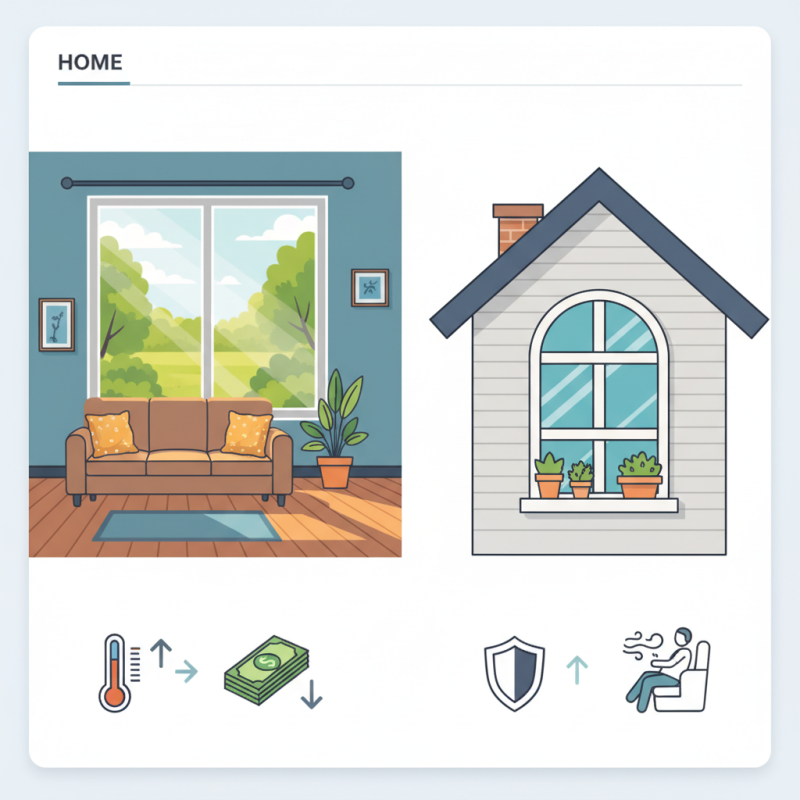
Importance of Energy Efficiency in Home Windows: Statistics and Benefits
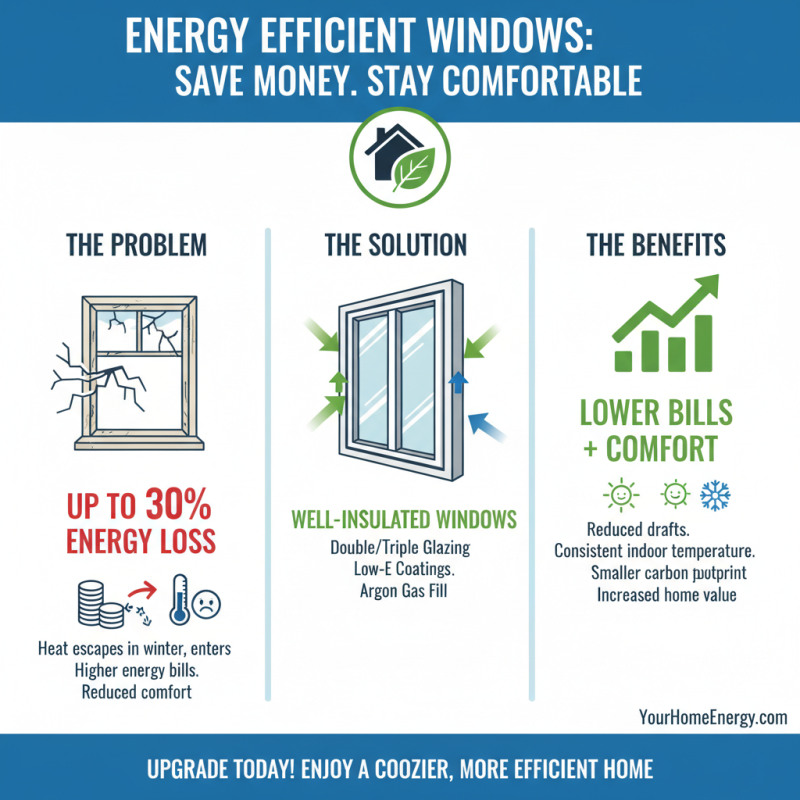
Energy efficiency plays a crucial role when selecting home windows. Poorly insulated windows can lead to higher energy bills. In fact, up to 30% of heating and cooling energy can be lost through old windows. This means your comfort is compromised. A well-insulated window can make a difference.
Choosing windows with high energy efficiency ratings is key. These windows reduce heat loss in winter and keep homes cool in summer. Some statistics show that energy-efficient windows can save homeowners hundreds of dollars each year. However, many people overlook this when planning home upgrades.
The long-term benefits are significant. Not only can you reduce your carbon footprint, but you can also increase your home's value. However, the initial investment may seem high. It's essential to weigh the upfront costs against future savings. Such choices require careful consideration and reflection.
Comparative Analysis of Window Materials: Vinyl, Wood, and Fiberglass
When selecting the best home windows, understanding materials is crucial.
Vinyl, wood, and fiberglass each have unique qualities.
Vinyl windows are often low-maintenance and resistant to moisture.
They come in various colors but may not have the same aesthetic appeal as wood.
On the other hand, wood windows are stunning and can enhance a home's charm.
However, they require regular upkeep and can be vulnerable to rot.
Fiberglass is durable and energy-efficient, making it an appealing choice.
Yet, it might be pricier than the other materials.
Tips: Consider your climate when choosing windows. For humid areas, vinyl might be best.
In colder climates, fiberglass offers energy savings.
Think about your home’s exterior style, too. A historic home may benefit from wood windows,
while modern designs can incorporate sleek vinyl.
Ultimately, each material has pros and cons that require careful thought.
An attractive window does not always guarantee efficiency. Reflect on maintenance needs
and long-term costs. Don’t rush your decision; it impacts both comfort and appearance.
Choose wisely!
Impact of Window Installation on Home Value and Energy Savings
Windows do more than provide a view. The right installation can significantly influence your home’s value. Upgrading to energy-efficient windows can attract potential buyers. Many people look for homes with updated features. New windows signal modernity and attention to detail. It’s a smart way to enhance curb appeal.
Energy savings also play a vital role. Quality windows help regulate indoor temperatures. This reduces heating and cooling costs over time. Imagine saving money on energy bills each month. However, not all window installations guarantee these savings. It’s crucial to select the right materials and installation methods. Poor installation can lead to drafts and increased energy use. Homeowners may underestimate this impact, leading to regret later.
Finally, the long-term benefits are substantial. New windows contribute to comfort and efficiency. The initial cost may seem high, but savings add up. Consider the change carefully before making a decision. Homeowners must think about style, durability, and functionality. A thoughtful approach yields the best results in the long run.
Long-Term Maintenance and Durability: Insights for Homeowners
Choosing the right windows for your home has lasting implications. Long-term maintenance and durability are key factors. According to the Window and Door Manufacturers Association, high-quality windows last up to 25 years with proper care. This is crucial for homeowners looking to improve energy efficiency and reduce long-term costs.
Regular maintenance is often overlooked. Cleaning frames and checking seals can prevent larger issues. A study by the National Fenestration Rating Council found that maintaining energy-efficient windows can save homeowners up to 20% on their heating and cooling bills. That’s significant.
Tip: Inspect your windows annually. Look for cracks or gaps. Repairing these can extend the life of your windows.
Many homeowners underestimate the importance of proper installation. Poor installation can lead to air leaks and moisture issues. These problems can diminish durability. It's essential to hire experienced professionals to ensure a proper fit and seal.
Tip: Ask for references before hiring any contractor. Quality installation pays off in the long run.
Importance of Durability and Maintenance in Home Windows
This chart illustrates the expected lifespan of various window materials commonly used in homes. Choosing the right material can significantly affect long-term maintenance and durability.