How to Choose the Best Residential Doors and Windows?
Choosing the right residential doors and windows is crucial for any homeowner. They enhance both aesthetics and security. According to industry expert Sarah Thompson, "Quality doors and windows are not just a purchase; they are an investment in your home." Her insights remind us that functionality and style go hand in hand.
Residential doors and windows come in various styles, materials, and designs. Each choice can significantly impact energy efficiency and curb appeal. For instance, choosing between wood, vinyl, or fiberglass can feel overwhelming. Each material has its pros and cons. It's essential to consider your local climate and personal preferences.
Many people rush this decision, often overlooking critical factors. Color, texture, and hardware options add character to your home. However, the wrong choice can lead to regret later. Careful thought must guide these decisions. They affect your home's comfort and safety for years. Investing time in research and planning can lead to satisfaction in the long run. Remember, residential doors and windows are not just boundaries; they frame your life.
Understanding the Importance of Choosing the Right Residential Doors and Windows
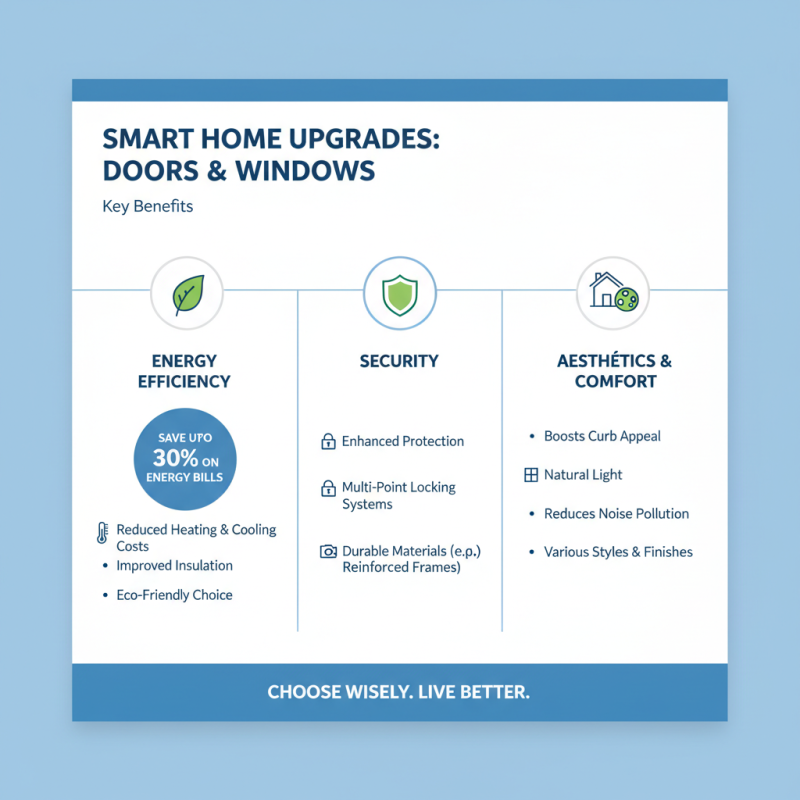
Choosing the right residential doors and windows is crucial for several reasons. These elements significantly influence energy efficiency, security, and aesthetics. According to a recent industry report, homes with energy-efficient windows can save up to 30% on heating and cooling costs. This statistic highlights how poor choices can lead to wasted energy and higher bills.
Moreover, doors and windows serve as your home's first line of defense against intruders. A study found that nearly 30% of break-ins occur through unlocked doors and windows. This realization can be unsettling. It reflects that many homeowners overlook the importance of proper locks and durable materials. Quality doors and windows can enhance security, but only if they are chosen wisely.
Aesthetics matter too. Your home's exterior should reflect your style. Yet, many choice trends lack resilience. Homeowners often gravitate toward popular designs, ignoring practicality and longevity. The balance between style and functionality needs careful consideration. Otherwise, the result may lead to regrettable renovations in the future.
Factors to Consider When Selecting Residential Doors and Windows
When selecting residential doors and windows, various factors play a crucial role. Energy efficiency is paramount. According to a recent industry report, homes with energy-efficient windows can save up to 30% on energy bills. Look for windows with a high Energy Star rating. These ratings indicate better insulation, reducing heating and cooling costs effectively.
Materials also matter. Wood, vinyl, and fiberglass each have their pros and cons. Wood offers aesthetic appeal but requires regular maintenance. Vinyl is low-maintenance but may not fit every design. Fiberglass is strong and energy-efficient, yet it can be pricier. Choosing the right material can enhance both functionality and style.
Tips: Remember to check the installation options. Improper installation can lead to air leaks, negating energy savings. Additionally, size matters. Ensure your doors and windows fit properly to maintain security and aesthetic value. Take time to review installation instructions carefully. Sometimes, it’s all in the details. Consider asking for professional advice if you are uncertain about your selections. Proper guidance can lead to wiser investments in your home's exterior.
Choosing the Best Residential Doors and Windows
When selecting residential doors and windows, it's important to consider several factors. The following bar chart illustrates the primary factors homeowners take into account during their selection process.
Exploring Different Materials for Doors and Windows
When choosing materials for residential doors and windows, the options seem endless. Wood offers a classic aesthetic. It provides excellent insulation. However, it requires regular maintenance to prevent rot. Depending on climate, this can be a significant drawback.
Metal, like aluminum or steel, is durable and low-maintenance. These materials resist warping well but can lack warmth compared to wood.
Vinyl is another popular choice. It comes in various colors and styles. This option requires little upkeep but may not be as eco-friendly. Consider the local environment when selecting materials. Harsh weather can influence durability and insulation capabilities. Reflect on your lifestyle, too. Are you ready to commit time for maintenance, or do you prefer convenience?
Each material offers unique advantages and disadvantages. The decision isn't straightforward. Visiting showrooms can help visualize different looks. Take time to explore options before committing. Perhaps a mix of materials could be the perfect solution for your home.
Understanding Energy Efficiency Ratings and Their Impact
Choosing the right residential doors and windows is crucial for energy efficiency. Understanding energy efficiency ratings can significantly impact your choice. These ratings indicate how well a product insulates. Higher ratings mean better performance, which can lower energy bills. For example, look at the U-factor, which measures heat transfer.
Tips: When shopping, always check the energy label. It provides information about efficiency. Look for products with the ENERGY STAR label. This means they meet strict energy standards.
Pay attention to the window's R-value too. It tells you how well insulation resists heat flow. A higher R-value ensures better insulation. Also, consider the materials. Vinyl and fiberglass often perform better than wood. They resist moisture and last longer.
You might find that your choices are limited. Prices vary widely, sometimes leading to frustration. However, investing in energy-efficient doors and windows pays off over time. Look for options that fit your style while being efficient. Making a choice involves balancing aesthetics and practicality. Think about the long-term benefits. Your comfort and savings depend on it.
Tips for Installation and Maintenance of Doors and Windows
When it comes to installing doors and windows, attention to detail is crucial. A study from the Door and Window Institute shows that poorly installed windows can lead to a 30% increase in energy costs. Ensuring proper sealing around the frames can significantly reduce drafts and improve efficiency. It’s essential to use quality weatherstripping and caulking during installation to prevent air leakage.
Maintenance is equally important. Research indicates that 70% of homeowners neglect regular checks on their doors and windows. This can lead to serious issues, like rot or rust. Regular cleaning of the tracks and hinges is vital. Use a gentle detergent and inspect for wear and tear. Lubricating the moving parts every six months can enhance functionality, prolonging the lifespan of your installations.
Homeowners should also evaluate their doors and windows every few years. Check for cracks, gaps, or moisture buildup. These signs can indicate bigger problems at play. Additionally, replacing old hardware is often overlooked but can improve security. Keeping a maintenance schedule can help address small issues before they escalate into costly repairs.