2026 How to Choose the Best Residential Windows for Your Home?
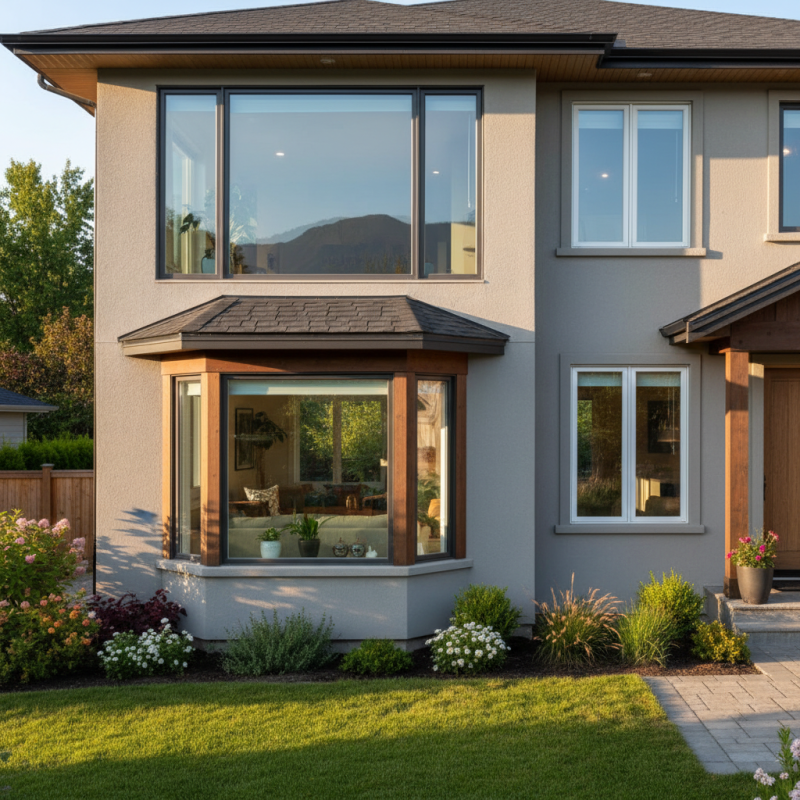
Choosing the right residential windows can significantly impact your home. Windows are not just practical; they also enhance your home’s aesthetic. A well-chosen window offers natural light and improves energy efficiency.
When selecting residential windows, consider the material. Options range from vinyl to wood and fiberglass. Each material has its pros and cons. Vinyl windows are durable but may lack the warmth of wood. On the other hand, wooden frames require more maintenance. Reflect on your home’s style when making this choice.
Energy efficiency is crucial. Windows can influence your heating and cooling costs. Double or triple-pane glass can provide better insulation. However, not all homes need the highest-rated windows. Sometimes, the cheapest option seems tempting but might lead to higher bills later. It’s vital to balance cost and quality for the best long-term investment.
Understanding the Importance of Choosing Residential Windows
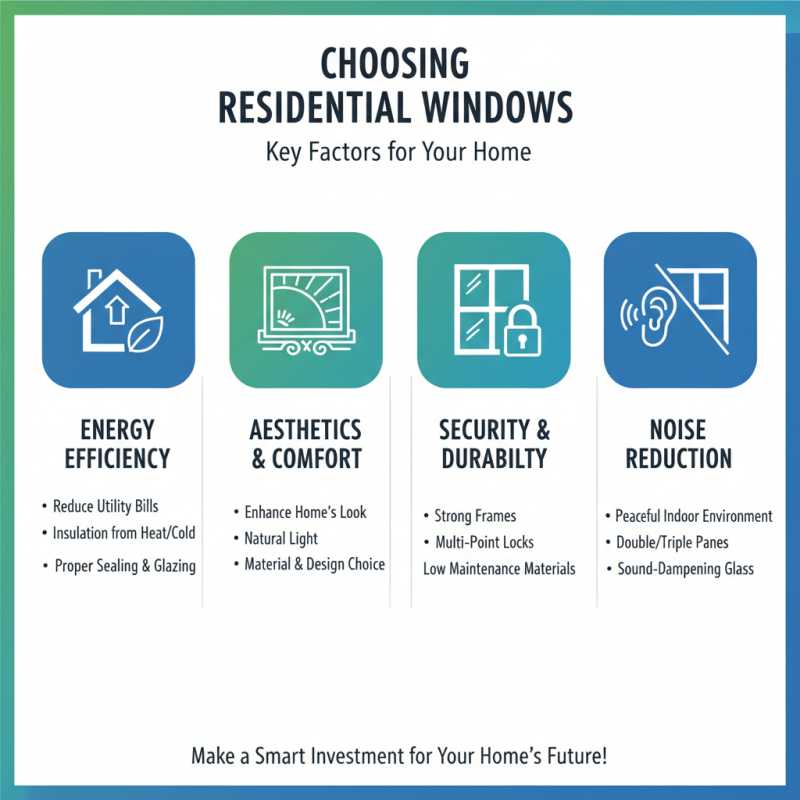
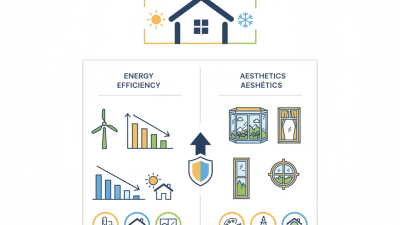
Choosing the right windows for your home is crucial. Residential windows affect energy efficiency, aesthetics, and security. They can significantly impact your utility bills if not chosen wisely. The right materials and design can enhance comfort while reducing maintenance needs. Additionally, windows play a key role in noise reduction. Quality windows can help create a peaceful indoor environment.
Many homeowners overlook the importance of window styles. Each style offers different benefits. For example, double-hung windows allow better ventilation, while casement windows provide excellent views. However, selecting a window also requires careful thought about your local climate. Hot summers or cold winters can dictate the materials needed for durability. Choosing the wrong type can lead to discomfort.
Some may prioritize cost over quality. This can be a mistake. Cheaper options might save money upfront, but they often have shorter lifespans. Investing in quality windows can pay off over time. Reflection on your budget can sometimes lead to better choices. Understanding these factors enhances the overall satisfaction with your selection and ensures your home stays comfortable for years.
Evaluating Different Window Materials for Durability and Aesthetics
When selecting residential windows, the choice of materials significantly impacts both durability and aesthetics. Common materials include vinyl, wood, fiberglass, and aluminum. Each has unique characteristics and can influence the overall look of your home.
Vinyl windows are popular due to their low maintenance and energy efficiency. However, they may lack the classic touch wood offers. Wood windows can provide warmth and elegance, but they require more upkeep. A recent industry report shows that homeowners often prefer composite options for durability and style.
Tips: Consider the climate in your area. For warmer climates, energy-efficient windows can reduce cooling costs. In colder regions, insulated frames are crucial. Always check the Energy Star ratings to ensure optimal performance.
Fiberglass windows have gained attention for their strength and resistance to warping. Yet, they are often pricier. Aluminum frames are lightweight and strong, but they can conduct heat, making insulation a potential issue. Many homeowners overlook the long-term cost of upkeep versus initial installation price. This consideration could sway your final decision. Remember, windows are more than just functional. They significantly affect your home's curb appeal.
Assessing Energy Efficiency Ratings and Their Impact on Costs
When selecting residential windows, energy efficiency ratings are crucial. These ratings help homeowners assess how well windows perform in various climates. A window's U-factor measures its insulation efficacy. According to the National Fenestration Rating Council, windows with a U-factor of 0.30 or lower are significantly more energy-efficient.
Moreover, energy-efficient windows often cost more upfront. However, they can save homeowners up to 24% on energy bills, according to the U.S. Department of Energy. This is significant, yet many do not consider long-term savings. For example, installing high-performance windows may range from $500 to $1,500 per window. High costs can deter homeowners, leading them to select cheaper, less efficient options.
It's essential to weigh immediate costs against future benefits. While some may choose lower-rated windows, they might face higher energy bills. Over time, the financial impact can offset initial savings. Investing in energy-efficient windows can enhance your home’s comfort and value.
2026 How to Choose the Best Residential Windows for Your Home? - Assessing Energy Efficiency Ratings and Their Impact on Costs
| Window Type |
Energy Efficiency Rating (U-Value) |
Estimated Cost ($ per unit) |
Lifespan (Years) |
Maintenance Level |
| Vinyl Windows |
0.30 |
$300 |
20 |
Low |
| Fiberglass Windows |
0.25 |
$500 |
30 |
Low |
| Wood Windows |
0.35 |
$800 |
30 |
Medium |
| Aluminum Windows |
0.40 |
$400 |
25 |
High |
Considering Window Styles and Design to Complement Home Architecture
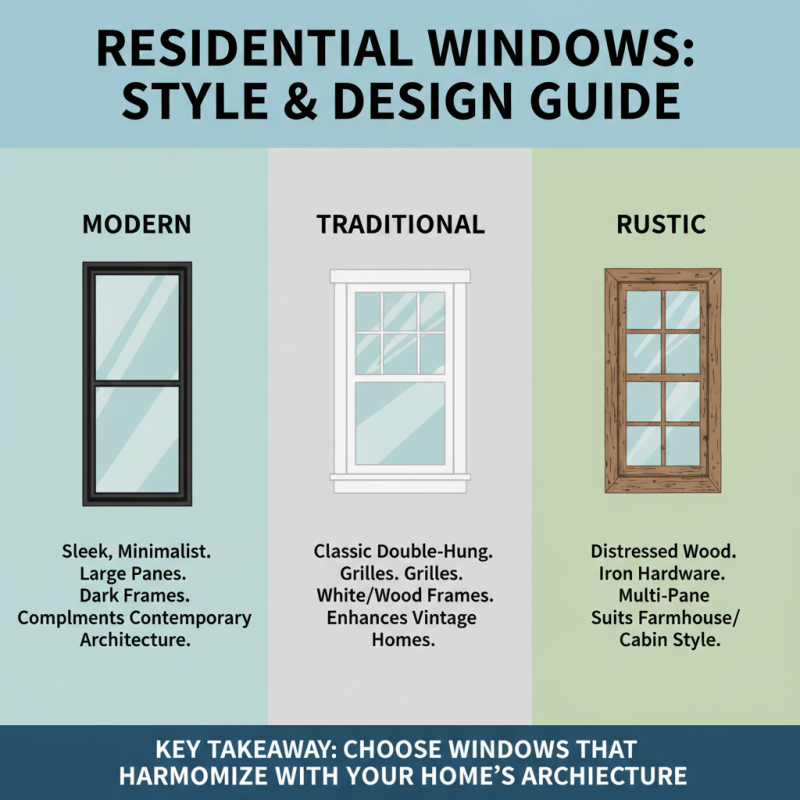
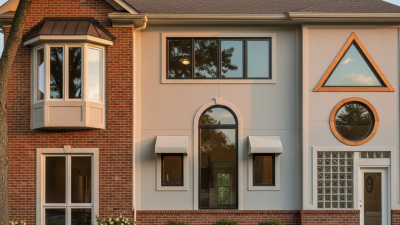
When selecting residential windows, the style and design are crucial. They should complement your home’s architecture. Consider the overall theme—modern, traditional, or rustic. A sleek, minimalist window suits contemporary buildings. In contrast, classic double-hung windows enhance vintage homes. Pay attention to details like framing and color. These elements can make a significant difference.
Think about the materials used. Wood offers warmth but needs upkeep. Vinyl is low-maintenance but might not fit all styles. You may want to mix window styles, but be cautious. A mismatch can create visual disarray. Try to balance aesthetics with functionality. Large windows can flood a room with light, yet they may not suit smaller spaces.
Different shapes can add character. Arched windows add elegance, while casement windows offer ventilation. Reflect on your choices; sometimes, they may not align with your vision. Ask yourself if the windows reflect your personality. This journey involves both excitement and hesitation. Don’t rush the decision. Each element should resonate with your home's unique charm.
Tips for Professional Installation and Maintenance of Residential Windows
When choosing residential windows, proper installation is crucial. A poorly installed window can lead to energy loss, drafts, and future repairs. Ensure the frame is level and square. It's essential to check weatherproofing to prevent any leaks. A professional can provide the expertise needed to avoid these common mistakes.
Maintenance is equally important for the longevity of your windows. Regularly clean the frames and glass to maintain clarity and prevent dirt buildup. Inspect seals for wear and replace them if necessary. Avoid using harsh chemicals that can damage materials.
Be aware that even the best windows need care. Check for condensation between panes; it may indicate a seal failure. This can be a reminder to evaluate your window's condition regularly. Don't overlook the importance of this routine.