10 Essential Tips for Choosing Home Doors and Windows
When selecting home doors and windows, the choices can be overwhelming. They serve as crucial elements that shape the aesthetic and security of your space. Quality home doors and windows not only enhance curb appeal but also improve energy efficiency.
Think about the materials you want. Wood offers warmth but can require upkeep. Vinyl is low-maintenance but might not suit every style. Then, consider security features. Are the locks reliable? Can the glass withstand impact?
Colors and finishes also matter. A bold hue can create a statement, while neutral tones fit many styles. Finally, remember lighting. Good windows invite natural light, making spaces feel larger. Take your time to reflect on what each choice means for your home.
Understanding Different Types of Home Doors and Windows
When choosing home doors and windows, understanding the various types available is essential. Different materials and designs influence energy efficiency and aesthetics. For doors, consider solid wood, fiberglass, or metal options. Each offers unique benefits and drawbacks. Solid wood provides a classic look but may require more upkeep. Fiberglass can mimic wood but often needs less maintenance. Metal doors are durable but can lack warmth.
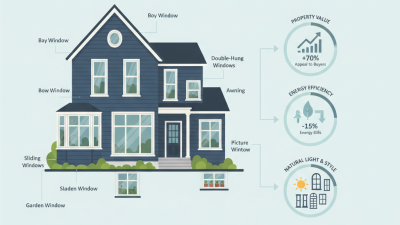
Windows also come in various styles, such as casement, sliding, or double-hung. Casement windows open outward, providing excellent ventilation. Sliding windows save space and are easy to operate. Double-hung windows allow for effective air circulation but can be harder to clean.
Tip: Always check energy ratings before purchasing. A well-insulated window can save on heating bills. Also, think about local weather conditions. In heavy rainfall areas, choose windows with good drainage.
Keep in mind that aesthetics matter too. The door and window style should complement your home's design. However, don’t get too caught up in trends; they may not last. Choose styles that resonate with your vision for your home. It’s okay to mix different types; just ensure they work cohesively together.
10 Essential Tips for Choosing Home Doors and Windows
| Aspect |
Doors |
Windows |
| Material |
Wood, Steel, Fiberglass |
Vinyl, Wood, Aluminum |
| Energy Efficiency |
Look for insulated options |
Double or triple glazing recommended |
| Security Features |
Multi-point locks and reinforced frames |
Locking mechanisms and toughened glass |
| Style |
Traditional, Modern, Rustic |
Bay, Casement, Slider |
| Maintenance |
Requires periodic painting/staining |
Low maintenance with some materials |
| Budget |
Ranges from economical to high-end |
Variety of price points available |
| Installation |
Professional installation recommended |
Some can be DIY, others recommended for pros |
| Weather Resistance |
Weather-stripped and insulated options |
Resistant frames with sealed edges |
| Functionality |
Entry, patio, and interior types |
Ventilation and clear views |
| Warranty |
Check for manufacturer warranty options |
Typically includes glass and frame guarantees |
Evaluating Energy Efficiency Ratings and Features
When evaluating energy efficiency ratings for doors and windows, it's essential to understand key labeling systems. Look for the ENERGY STAR label. This designation signifies compliance with strict energy efficiency standards. Consider the thermal performance ratings, such as U-factor and Solar Heat Gain Coefficient (SHGC). The U-factor indicates insulation quality. A low U-factor means better insulation.
Identifying the right features is equally critical. Double or triple glazing can significantly reduce heat loss. Additionally, choosing low-emissivity (Low-E) glass improves energy efficiency by reflecting heat. However, some may overlook the importance of frames. Materials like vinyl or fiberglass often provide superior insulation compared to aluminum. Many homeowners face challenges with their selections, sometimes prioritizing aesthetics over functionality. It’s important to find a balance that meets both visual appeal and energy efficiency needs.
Considering Aesthetic and Design Compatibility with Home Style
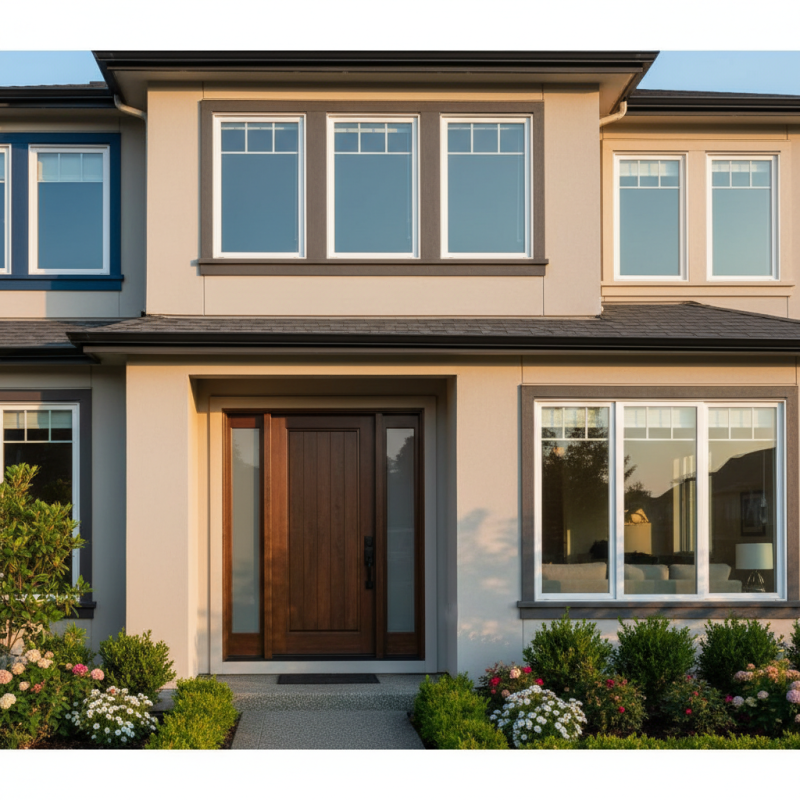
Choosing doors and windows is crucial for the overall appeal of any home. The aesthetic compatibility of these elements with your home's style can greatly influence its value. A recent survey indicated that homes with cohesive design elements can see up to a 15% increase in market value. However, many homeowners overlook this vital aspect.
Selecting windows that reflect your home’s architectural style is important. For instance, classic styles benefit from traditional double-hung windows. On the other hand, modern homes often look best with sleek, large glass panels. A report from the American Institute of Architects emphasizes that mismatched styles can lead to disjointed visuals. It can make a home feel less inviting.
Additionally, the color and material choices matter significantly. Natural wood frames may suit rustic homes, while aluminum suits contemporary designs. Yet, mixing styles can also be risky. For example, a brightly colored door on a muted facade can clash dramatically. Homeowners often need to balance bold choices with the overall look. Remember, the goal is to ensure a harmonious blend that complements the house while expressing personal style.
Home Doors and Windows Compatibility with Home Styles
Assessing Durability and Maintenance Requirements
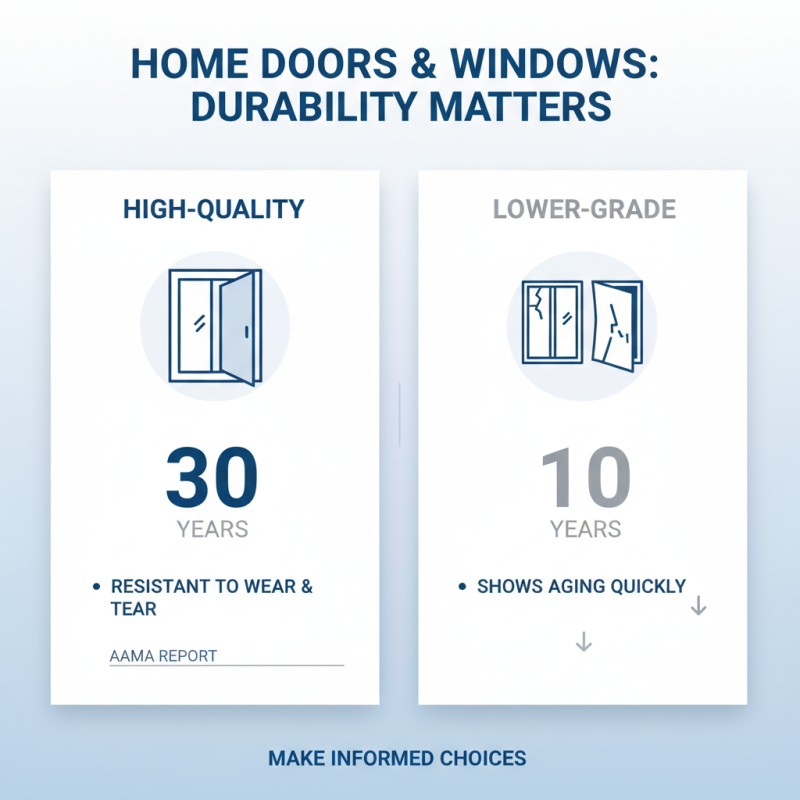
When selecting home doors and windows, durability is a key factor. High-quality materials can resist wear and tear. According to a recent report from the American Architectural Manufacturers Association (AAMA), well-constructed windows can last up to 30 years. However, lower-grade options may show signs of aging in just a decade. This stark contrast highlights the importance of making informed choices.
Maintenance requirements play a crucial role too. Vinyl windows, for instance, need minimal upkeep. They can handle harsh weather without rotting or peeling. On the other hand, wood doors require regular painting or sealing to maintain their appearance. The National Association of Home Builders (NAHB) notes that homeowners can spend 1-3% of their home's value annually on maintenance. Thus, selecting durable materials not only saves hassle but also can reduce long-term costs.
Aesthetic choices also matter. People often choose based on looks alone. This can lead to regrettable decisions. A stylish wooden door may look inviting, but it demands consistent care. Balancing beauty and practicality is essential. Make sure to assess not just the visual appeal but also the longevity and maintenance needs before committing.
Budgeting for Quality Doors and Windows Installations
When budgeting for quality doors and windows installations, it’s vital to consider several factors. Many homeowners overlook the long-term savings that energy-efficient options provide. These can lower your utility bills significantly, justifying the initial investment. Always remember, quality materials last longer and require fewer repairs.
Tips to think about: First, assess your budget realistically. Determine what you can afford without sacrificing quality. There’s a fine line between cost-effective and cheap. Don't be tempted by low prices that lead to frequent replacements. Second, consider the style and functionality of your choices. A beautiful door can enhance curb appeal, but it must also provide security and insulation.
Finally, installation costs can vary greatly. It’s wise to get multiple quotes. Quality installation ensures everything fits perfectly. A poor installation can lead to problems down the line, costing more to fix. Be cautious with your decisions. Reflect on your priorities and remember, investing wisely pays off in the end.