Choosing quality windows is not simply a matter of selecting the thickest glass or the highest price. A reliable decision begins with climate, building orientation, frame material, glazing, and installation quality. A south-facing window in a cold region has different demands from a shaded opening in a warm, humid area. The right product should reduce drafts, control unwanted heat, and admit useful daylight.
Building scientist Joseph Lstiburek offers a concise reminder: “Windows are holes in walls.” That sentence sounds blunt. It is also practical. Every opening affects air movement, moisture, energy use, and indoor comfort. Quality windows can perform well, but only when their ratings match the building and their installation is properly managed. Check the NFRC label for U-factor and solar heat gain coefficient. Lower U-factor generally means better insulation. SHGC requires more careful judgment because sunlight can help or overheat a room.
Look closely at the details. Operate the sample window. Feel the seals. Inspect the corners, drainage paths, hardware, and frame joints. Ask who will install it and how the rough opening will be flashed. A strong window installed poorly can still leak.
There is no perfect window.
Marketing language can also confuse. “Premium” is not a performance measurement. Compare documented ratings, warranty terms, maintenance needs, and verified installer experience. Then question your assumptions. The cheapest option may cost more through repairs, condensation, or wasted energy. A thoughtful choice treats quality windows as part of the whole building system, not as an isolated product.
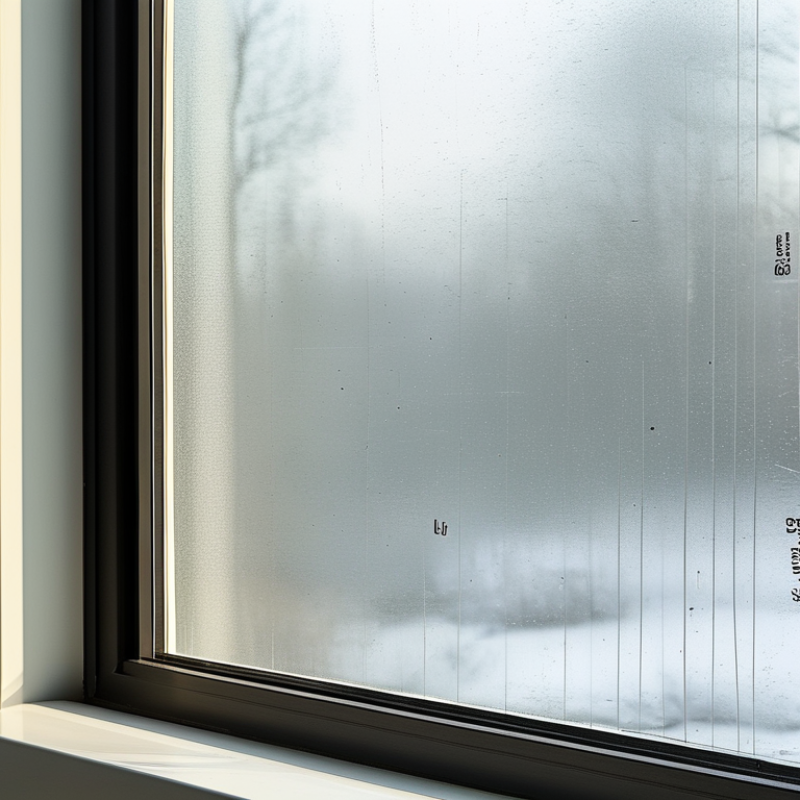
A quality window is more than clear glass inside a frame. It is a tested building component that controls heat, air, water, light, and sound. In modern buildings, windows influence comfort as much as walls and roofs do. A well-designed unit can reduce cold drafts beside a desk and limit summer heat near a sunny floor.
Performance should be measured, not guessed. Look for tested thermal values, air-leakage results, water-resistance data, and visible safety features. The frame should open smoothly, close tightly, and remain stable after repeated use. Low-emissivity glass, insulated frames, and suitable shading can improve energy performance. However, the best specification still fails with poor installation. Small gaps around the frame may create moisture, noise, and uncomfortable drafts.
Details matter.
From site inspections, I have seen expensive windows perform badly because installers rushed the perimeter seals. I have also seen modest systems work well when the opening was prepared carefully. This is why reliable selection includes the local climate, building orientation, room use, maintenance needs, and installer experience. Independent testing and clear documentation support better decisions. Yet no window performs perfectly in every condition. Designers sometimes focus on energy figures and overlook glare, cleaning access, or hardware durability. That oversight deserves more attention. Quality should mean balanced, verifiable performance over years, not an impressive number on a product sheet.
Quality windows are defined by measurable performance, not glossy frames or heavy glass. The U.S. Department of Energy estimates that windows cause 25–30% of residential heating and cooling energy use. Therefore, insulation deserves close attention. Look for a low U-factor, which indicates reduced heat transfer. In cold climates, a lower value usually improves comfort. Solar heat gain coefficient, or SHGC, matters too. A low SHGC limits unwanted summer heat, especially on sunny façades. These figures appear on National Fenestration Rating Council labels and allow fair comparisons.
Glass design also separates dependable windows from ordinary ones. Double glazing is common, while triple glazing can improve insulation in severe climates. Low-emissivity coatings reflect infrared heat without making the room feel dark. Warm-edge spacers can reduce heat loss around the glass perimeter. I have seen a technically excellent window perform poorly after careless fitting. Air leakage around the frame creates cold drafts, interior noise, and possible condensation. The U.S. Department of Energy therefore emphasizes professional installation and durable weather sealing.
Check drainage paths, locking hardware, frame rigidity, and warranty terms. A window should open smoothly without excessive force. It should also close tightly after repeated use. Water resistance deserves attention during heavy rain. Testing data is useful, but it is not the whole decision. Ratings may look impressive while the installation remains weak. That is the uncomfortable part. Assess orientation, local weather, wall condition, and ventilation needs before choosing. Sources: U.S. Department of Energy, Energy Saver guidance; National Fenestration Rating Council, window performance rating guidance.
| Quality Dimension | What to Look For | Useful Performance Indicator | Why It Matters |
|---|---|---|---|
| Thermal Insulation | Low-emissivity glazing, insulated glass units, warm-edge spacers, and thermally improved frames. | A lower whole-window U-factor indicates less heat transfer through the complete window. | Helps reduce heating and cooling loads and improves indoor comfort near the glass. |
| Solar Heat Control | Glazing selected for the window’s orientation, climate, and shading conditions. | A lower SHGC reduces unwanted solar heat gain; a higher SHGC can provide useful passive solar heat in cold climates. | Supports efficient temperature control and helps prevent overheating. |
| Air Tightness | Continuous seals, compression gaskets, secure locking points, and accurately fitted sashes. | Lower air-leakage values represent less uncontrolled air movement through the closed window. | Reduces drafts, moisture movement, dust entry, and energy loss. |
| Water Resistance | Sloped sill drainage, sealed joints, weep paths, and properly designed flashing interfaces. | A higher tested water-resistance pressure generally indicates greater resistance to wind-driven rain under the test conditions. | Helps protect wall cavities, finishes, insulation, and interior spaces from water intrusion. |
| Wind Load Performance | A frame, sash, and anchoring system sized for the building height, exposure, and local wind conditions. | Check the tested design pressure and confirm that it meets applicable local code requirements. | Limits excessive deflection and supports long-term operation and weather resistance. |
| Glazing Construction | Double or triple insulating glass with durable edge seals and an appropriate gas fill where specified. | Compare whole-window U-factor, SHGC, visible transmittance, and condensation-resistance information. | The glass area is often the largest part of a window, so its design strongly affects comfort and efficiency. |
| Frame Quality | Rigid, dimensionally stable frames with effective drainage, reinforced corners, and compatible hardware. | Review frame material, thermal-break design, corner construction, and documented test results. | A strong frame maintains alignment, supports the glazing, and helps preserve seal performance. |
| Condensation Control | Low-conductivity frames, insulated spacers, warm interior edges, and suitable indoor humidity levels. | A higher condensation-resistance rating generally indicates better resistance under the specified test conditions. | Reduces the risk of interior surface moisture, staining, and mold-supporting conditions. |
| Acoustic Performance | Different glass thicknesses, laminated glass, wider air spaces, and well-sealed frames. | Compare the tested sound transmission class or outdoor-indoor transmission class, as applicable. | Can reduce traffic, construction, and neighborhood noise when the window is correctly installed. |
| Safety and Security | Reliable locks, strong keepers, robust hardware, and safety glazing where required by location. | Confirm compliance with applicable building safety-glazing and emergency-egress requirements. | Improves occupant safety and provides practical resistance to forced operation. |
| Durability and Maintenance | Corrosion-resistant hardware, stable finishes, replaceable weather seals, and accessible drainage paths. | Look for documented operating-cycle, weathering, and hardware-performance testing where available. | Reduces maintenance needs and helps the window retain its function over time. |
| Installation Quality | A level, square, plumb installation with appropriate shims, fasteners, insulation, sealant, and flashing. | The installation method should follow the project design, local code, and the window’s instructions. | Even a high-performing window can leak or operate poorly if it is incorrectly installed. |
| Documentation and Certification | Clear product labels, independently verified ratings, installation instructions, and warranty terms. | Use verified whole-window ratings rather than relying only on center-of-glass claims or marketing descriptions. | Makes product comparisons more reliable and clarifies expected performance and responsibilities. |
Note: Performance requirements vary by climate, orientation, building design, local codes, and installation conditions. Compare complete-window test data for the specific size and configuration being considered.
A quality window is more than clear glass in a decorative frame. Its materials control heat flow, moisture resistance, comfort, and service life. The U.S. Department of Energy reports that windows can account for 25–30% of residential heating and cooling energy use. That figure makes material selection a practical decision, not a cosmetic one.
Material matters. Vinyl frames resist moisture and require little maintenance, but poor formulations may warp under intense heat. Wood offers strong insulation and a warm appearance. It needs careful sealing, especially near wet climates. Fiberglass remains dimensionally stable during temperature changes. Aluminum provides strength, yet it conducts heat unless it includes an effective thermal break.
Glass also matters. Low-emissivity coatings and insulated glazing can reduce heat transfer, while the right solar heat gain coefficient depends on local climate and window orientation.
Look beyond appearance. The National Fenestration Rating Council explains that U-factor measures insulation, while solar heat gain coefficient measures unwanted solar heat. Lower U-factor usually improves winter performance. A lower solar heat gain coefficient can help south- or west-facing windows in hot regions. On site, installers often find that a well-rated window performs poorly when gaps surround the frame. Installation matters more. The DOE’s residential efficiency guidance also emphasizes air sealing and proper flashing. I would not choose materials from ratings alone; budget, sunlight, rainfall, maintenance skills, and installer quality deserve equal attention. Even expert choices can age badly when drainage is ignored.
Quality windows are not chosen by appearance alone. Climate comes first. In cold regions, low U-factor glass reduces indoor heat loss. In hot regions, a low solar heat-gain coefficient limits afternoon heat. The U.S. Department of Energy estimates that windows cause 25–30% of residential heating and cooling energy use. That figure makes a small frame detail surprisingly important.
Design still matters, but it must serve the building. Large south-facing windows can provide useful winter sunlight in suitable climates. They may also create glare and overheating without exterior shading.
The National Fenestration Rating Council advises comparing certified U-factor, solar heat-gain coefficient, visible transmittance, and air-leakage ratings. A double-glazed unit may perform well, yet poor installation can leave cold drafts around the frame. The window is only one part of the system.
Energy efficiency should be checked against real conditions. The International Energy Agency reports that buildings account for about 30% of global final energy consumption, so modest improvements can matter at scale. However, a lower rating is not automatically better for every room. I have seen highly efficient glass reduce daylight more than expected. That trade-off deserves honest review. Check orientation, local weather, shading, frame material, and installer credentials before choosing. Measure twice. Ask better questions.
Quality windows are not judged by appearance alone. They should fit the wall opening, climate, and daily use. Strong frames, reliable seals, low-emissivity glass, and secure hardware all matter. Yet even excellent materials can perform poorly after careless installation.
Installation deserves careful evaluation. Ask whether the installer measures each opening, checks the sill, and uses compatible flashing. Small gaps can cause drafts, water stains, or hidden mould. A level frame should open smoothly without force. Request written details about materials, workmanship, and future service. My experience is that the cheapest quote often excludes essential preparation. Still, the most expensive option is not automatically the best choice.
Maintenance affects long-term value. Clean tracks twice a year, inspect seals, and remove blocked drainage holes. Lubricate moving hardware according to the manufacturer’s guidance. Replace cracked sealant before moisture reaches the frame. A five-minute inspection can reveal a loose latch or early condensation. Energy savings also depend on ventilation, shading, and indoor humidity. I once assumed better glass would solve every comfort problem; it did not. Real value combines lower energy use, fewer repairs, easier operation, and a service life that matches the installation cost.
Tips: Compare whole-life costs, not only purchase prices. Check independent reviews and local references. Photograph the installation before interior trim covers the joints. Keep maintenance records. Ask difficult questions early.
Ontario launching new 12-year rebate program