Choosing among the 7 best awning windows for global buyers requires more than comparing frame colors and opening sizes. Climate, glazing, hardware, drainage, installation quality, and regional standards all affect performance. An awning window that works well in a mild coastal home may struggle in a humid monsoon climate without suitable flashing and corrosion-resistant hardware.
Market research shows why this category deserves closer attention. Fortune Business Insights valued the global windows and doors market at approximately USD 207 billion in 2023. Grand View Research also forecasts continued growth through 2030, driven by renovation, energy efficiency, and urban construction. These reports cover the wider market, not awning windows alone. Their figures should therefore be read carefully. Still, they reveal strong demand for better-performing building openings.
Building-science expert Joseph Lstiburek has repeatedly emphasized, “Water management is the most important thing in building science.” That principle is central to awning windows, especially when the sash opens outward beneath light rain. A practical assessment should examine air leakage, water resistance, thermal performance, glass selection, and service support. Certification matters, but installation matters just as much. Even a premium window can fail with poor sealing.
This guide compares seven awning windows for international buyers. It considers real purchasing conditions, including coastal exposure, cold winters, intense sunlight, replacement availability, and installer expertise. Some rankings remain debatable. That is useful. Buyers should question impressive specifications and request tested performance data before placing an order.
7 Best Awning Windows for Global Buyers?
What Awning Windows Are and How They Operate
Awning windows are hinged along their top edge. A handle, crank, or motor pushes the lower sash outward. This creates a sheltered opening for airflow, even during light rain. The sash usually presses against a continuous seal when closed. That improves comfort and helps reduce drafts.
In practical window inspections, operation feels smooth when hinges, locks, and weather seals align correctly. A wide opening can release warm indoor air near the ceiling. However, the outward sash needs clearance from shutters, walkways, and nearby trees. Awning windows may also be unsuitable for emergency escape in some rooms. Check local building requirements before selecting sizes. Standards differ between countries.
Tips: Measure the opening, frame depth, and exterior clearance carefully. Choose corrosion-resistant hardware for coastal or humid climates. Test the handle several times before installation. It should not grind or require force. A small screen can block insects, but it may slightly reduce airflow. Glazing choice also matters; double glazing improves insulation, while solar-control glass can reduce heat gain. These details are easy to overlook. I sometimes find that buyers focus on appearance first, then discover maintenance limits later. A balanced choice considers ventilation, cleaning access, weather exposure, and local safety rules.
Global buyers need more than attractive frames when comparing the seven best awning windows. Performance should guide the decision. Check air leakage, water resistance, wind-load ratings, thermal insulation, glass quality, hardware strength, and installation compatibility. These factors affect comfort, maintenance, and service life.
A reliable window should include tested U-values, solar heat gain data, and water-penetration results. In hot regions, low solar gain glass can reduce indoor heat. In colder climates, insulated frames and low-emissivity glass help retain warmth.
Coastal projects need corrosion-resistant hardware and carefully sealed joints. I have seen excellent windows fail because installers ignored drainage paths. Specifications matter, but installation matters too. Local building requirements may differ, so buyers should request complete test reports before ordering.
Tips: Compare the same performance data across suppliers. Ask how replacement hardware will be obtained. Confirm opening limits for cleaning and emergency access. A wider awning sash may provide better ventilation, but it can experience greater wind pressure. I once underestimated this issue on a high-floor project. The design looked practical, yet the operating hardware needed reinforcement. That mistake still influences how I review international window schedules. Test samples in real weather when possible. Costs can rise when performance claims remain unverified.
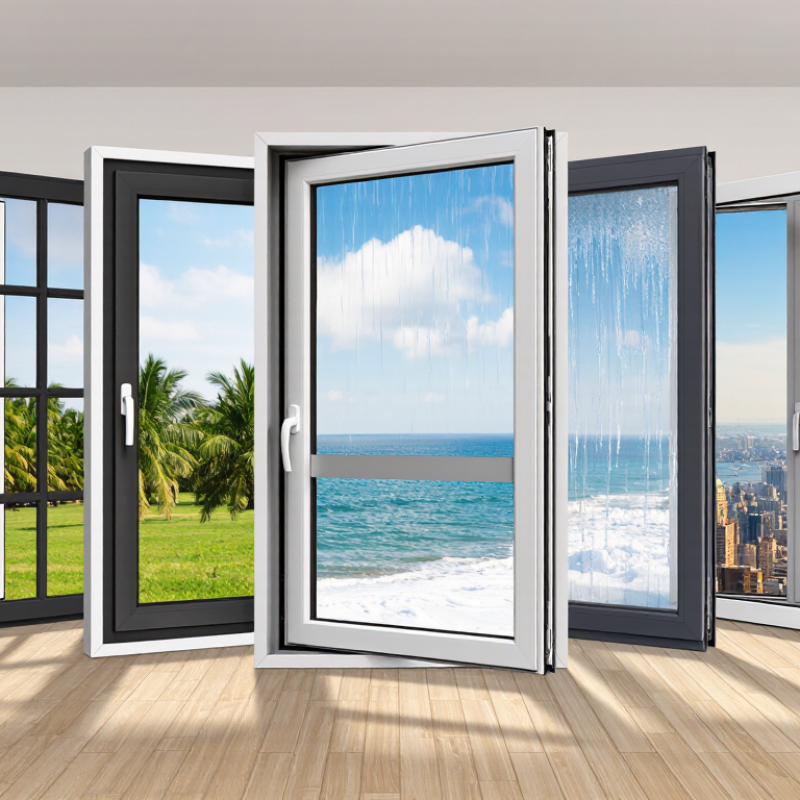
Awning windows open from the bottom hinge and release airflow while blocking light rain. Their performance changes with climate, wall exposure, and room purpose. I compare seven practical designs often considered by global buyers.
A standard single-sash awning suits mild, wet regions and compact bedrooms. A narrow vertical awning works well beside cabinets or in tight bathrooms. A wide horizontal awning provides stronger cross-ventilation for living rooms, but needs reliable hinges and wind limits. Stacked awning windows fit tall walls in warm climates. They create a useful ventilation column. An awning-over-fixed design combines daylight with controlled airflow, making it suitable for offices and shaded façades. The fixed glass, however, cannot ventilate.
For hot, sunny regions, a clerestory awning placed high on the wall can exhaust rising heat. It also reduces privacy concerns. Coastal buildings may benefit from a reinforced, corrosion-resistant awning design with laminated glass and tested water resistance. Finally, a deep-frame awning with insulated glazing is better for cold climates, where heat loss and condensation need careful control. Look for certified U-factor, solar heat gain, air leakage, and water penetration data. Local wind ratings matter too. I have seen attractive windows fail because installers ignored drainage paths. That mistake is avoidable. No design is perfect. Very wide sashes can be awkward during storms, while small awnings may ventilate less than expected. Evaluate the opening size, hardware strength, screens, cleaning access, and emergency requirements before choosing.
7 Best Awning Windows for Global Buyers
Materials, Glazing, Sizes, and Hardware Options
For global buyers, the best awning window is rarely the largest one. Climate, wall depth, and maintenance access matter more than showroom appearance. Seven practical choices include uPVC frames for humid regions, aluminum frames for slim profiles, and treated timber for warmer interiors. Hybrid frames can balance insulation and strength, but their joints need careful inspection. In my project experience, frame quality often matters more than material labels.
Glazing should match the local environment. Double glazing suits many moderate climates, while triple glazing helps in colder zones. Low-emissivity glass can reduce heat transfer and indoor glare. Laminated glass improves acoustic comfort and holds together after impact. Solar-control glass may help sunny façades, but it can reduce useful winter warmth. Ask for tested U-values, visible light data, and condensation guidance before ordering.
Size affects both airflow and hardware load. Small awning windows work well above sinks or narrow bathrooms. Wider units need stronger friction stays, stainless-steel hinges, and a handle that remains easy to reach. Multipoint locking can improve compression, yet poor adjustment may cause stiff operation. Confirm opening limits, insect-screen clearance, drainage paths, and replacement parts. A perfect specification on paper can still fail after installation. That is an uncomfortable lesson, but accurate site measurements prevent many expensive mistakes.
Indicative whole-window U-factor comparison for common residential awning-window configurations. Lower values generally indicate better thermal insulation.
| Configuration | Frame Material | Glazing | Typical Size Range | Hardware Option | Indicative U-Factor |
|---|---|---|---|---|---|
| Standard aluminum | Non-thermally broken aluminum | 6 mm clear single glass | 450–900 × 600–1500 mm | Stainless-steel friction stay and manual operator | 5.7 W/m²·K |
| Thermal-break aluminum | Polyamide thermal-break aluminum | Double low-E, argon-filled IGU | 500–1000 × 700–1600 mm | Multi-point locking with concealed operator | 1.8 W/m²·K |
| uPVC double-glazed | Multi-chamber uPVC | Double low-E, argon-filled IGU | 450–900 × 600–1500 mm | Multi-point lock and stainless-steel stays | 1.3 W/m²·K |
| Fiberglass triple-glazed | Pultruded fiberglass | Triple low-E, argon-filled IGU | 500–900 × 700–1500 mm | Heavy-duty friction stays and multi-point lock | 0.8 W/m²·K |
| Timber double-glazed | Engineered softwood or hardwood | Double low-E, argon-filled IGU | 450–900 × 600–1500 mm | Stainless-steel stays and espagnolette lock | 1.4 W/m²·K |
| Composite triple-glazed | Hybrid fiberglass and polymer frame | Triple low-E, argon-filled IGU | 500–1000 × 700–1600 mm | Multi-point lock and stainless-steel friction stays | 0.9 W/m²·K |
| Aluminum-clad timber | Timber interior with exterior aluminum cladding | Double low-E, argon-filled IGU | 500–1000 × 700–1600 mm | Multi-point lock and corrosion-resistant stays | 1.2 W/m²·K |
Values are representative whole-window figures for comparison only. Actual performance depends on frame geometry, glass spacer, opening size, air leakage, installation quality, and the local testing standard.
7 Best Awning Windows for Global Buyers
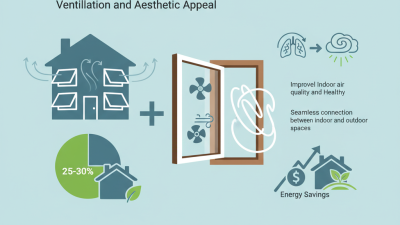
The best awning windows balance ventilation, weather resistance, serviceability, and price. Seven practical choices include thermally broken aluminum, uPVC, fiberglass, engineered wood, wood-clad, laminated-glass, and hurricane-rated designs. Selection depends on climate, wall construction, and local installers. The U.S. Department of Energy reports that windows can account for 25–30% of residential heating and cooling energy use. That makes frame quality important, not decorative.
Installation requires a sloped sill, continuous flashing, and correctly sized fasteners. Poor sealing can cause water stains within one rainy season. Ask for NFRC-rated U-factor, solar heat gain coefficient, and air-leakage results. ISO 15099 supports whole-window thermal calculations, while EN 14351-1 covers performance requirements in European markets. ASTM E2112 also provides useful installation guidance. These standards help comparison, but they do not replace local code review.
Pricing varies widely. A typical replacement awning window may cost about 300–1,200 USD installed, based on contractor-market surveys and opening size. Custom glazing, scaffolding, and coastal hardware can raise the bill sharply. ENERGY STAR guidance supports choosing climate-appropriate glazing, yet real savings depend on shading and ventilation habits. Maintenance is simple: clean tracks, inspect gaskets twice yearly, and lubricate hinges sparingly. My caution is practical: the cheapest unit often becomes expensive after repeated adjustments.
Tips: Request three written quotes. Confirm warranty coverage, drainage details, and replacement-parts availability before paying. Test the handle after installation. It should move smoothly, without forcing.
| Awning Window Type | Recommended Use | Typical Glazing and Thermal Range | Installation Requirements | Maintenance Schedule | Indicative Installed Price | Key Advantages | Relevant International Standards |
|---|---|---|---|---|---|---|---|
| 1. uPVC Double-Glazed Awning Window | General residential projects, apartments, moderate climates, and renovation work. | Insulated double glazing, usually 4–16–4 mm or similar; typical whole-window U-value: approximately 1.4–2.2 W/m²K. | Install in a square, structurally sound opening. Use perimeter shims, compatible flashing, low-expansion foam, and an interior air seal. Allow drainage through the frame or sill system. | Clean glass and frames twice yearly. Lubricate hinges and locking points annually. Inspect gaskets and drainage paths every 1–2 years. | US$350–900 per unit | Good cost-to-insulation ratio, low routine maintenance, corrosion resistance, and wide availability of replacement hardware. | EN 14351-1; ISO 10077-1; ASTM E283; ASTM E331; AAMA/WDMA/CSA 101/I.S.2/A440. |
| 2. Thermally Broken Aluminum Awning Window | Modern homes, commercial buildings, high-wind regions, and projects requiring slim sightlines. | Double or triple insulated glazing; typical whole-window U-value: approximately 1.5–2.8 W/m²K, depending on the thermal break and glass package. | Use corrosion-resistant fixings suitable for the local environment. Isolate aluminum from incompatible metals. Provide accurate anchoring, perimeter flashing, and movement joints for larger frames. | Wash exposed surfaces two to four times per year in coastal areas. Keep weep holes clear. Check fasteners, seals, hinges, and powder-coated surfaces annually. | US$600–1,500 per unit | Strong frame, narrow profiles, good dimensional stability, and suitability for larger glazed openings. | EN 14351-1; ISO 10077-1; ASTM E330; ASTM E283; ASTM E331; AAMA/WDMA/CSA 101/I.S.2/A440. |
| 3. Timber Awning Window with Protective Finish | Traditional architecture, conservation-style projects, dry or temperate climates, and interiors where natural materials are preferred. | Double glazing is common; typical whole-window U-value: approximately 1.3–2.2 W/m²K, depending on frame depth, wood species, and glazing. | Keep the frame protected from standing water. Use a drained sill, compatible flashing, back dams, and a continuous air-and-water seal. Allow for building movement and seasonal moisture changes. | Clean and inspect twice yearly. Renew exterior paint or stain approximately every 3–7 years, depending on exposure. Check joints, putty or glazing seals, and signs of moisture damage. | US$700–1,800 per unit | Natural appearance, repairable frame material, good insulation, and strong design flexibility. | EN 14351-1; ISO 10077-1; EN 942; ASTM E283; ASTM E331; AAMA/WDMA/CSA 101/I.S.2/A440. |
| 4. Fiberglass or Composite Awning Window | High-performance residential construction, temperature-variable climates, and low-maintenance installations. | Double or triple insulated glazing; typical whole-window U-value: approximately 0.8–1.8 W/m²K. | Follow the frame manufacturer’s approved fastening zones. Use compatible sill pans or flashing, shims at load points, and a sealed interior perimeter. Avoid over-tightening fasteners. | Clean frames and glazing twice yearly. Inspect weather seals and operating hardware annually. Refinish is normally unnecessary, but surface damage should be repaired promptly. | US$800–2,000 per unit | Low expansion and contraction, strong moisture resistance, long service potential, and limited repainting requirements. | EN 14351-1; ISO 10077-1; ASTM E330; ASTM E283; ASTM E331; AAMA/WDMA/CSA 101/I.S.2/A440. |
| 5. Triple-Glazed High-Performance Awning Window | Cold climates, low-energy buildings, passive-house-style projects, and rooms requiring enhanced acoustic comfort. | Low-emissivity triple glazing with inert-gas cavities; typical whole-window U-value: approximately 0.7–1.2 W/m²K. | Requires careful opening preparation and continuous air-sealing. Check frame depth, sash weight, hinge capacity, reveal depth, and compatibility with external insulation systems. | Clean glazing twice yearly. Inspect compression seals, gaskets, and hardware annually. Verify that drainage channels remain open and that the sash maintains even compression. | US$1,000–2,500 per unit | Excellent thermal performance, reduced interior condensation risk, improved comfort, and better sound reduction than standard double glazing. | EN 14351-1; ISO 10077-1; ISO 10292; EN 410; EN 673; NFRC 100; NFRC 200. |
| 6. Laminated or Impact-Resistant Awning Window | Hurricane-prone coastlines, high-wind zones, buildings exposed to airborne debris, and projects requiring enhanced security or acoustic control. | Laminated or impact-rated insulating glass; thermal performance varies widely, typically about 1.2–2.5 W/m²K for the complete window. | Opening reinforcement, approved anchorage, correct fastener spacing, and tested impact-resistant glazing are essential. Installation must follow the project’s wind-load calculations and local approval requirements. | Inspect glass edges, interlayers, seals, anchors, and operating hardware at least annually. Wash salt deposits frequently in coastal locations. Replace damaged laminated units rather than attempting field repair. | US$1,200–3,000 per unit | Enhanced wind and debris resistance, improved security, reduced ultraviolet transmission, and strong noise-control potential. | ASTM E1886; ASTM E1996; ASTM E330; ASTM E283; ASTM E331; AAMA/WDMA/CSA 101/I.S.2/A440; local wind-load regulations. |
| 7. Large Custom Awning Window with Motorized Operation | Hard-to-reach clerestory windows, smart buildings, atriums, high ceilings, and large architectural openings. | Double or triple insulated glazing; typical whole-window U-value: approximately 0.9–2.0 W/m²K. Performance depends strongly on frame size and sash weight. | Requires structural review, reinforced fixing points, accurate alignment, electrical or low-voltage provision, weatherproof cable routing, and safe access for future servicing. | Test motors, restrictors, sensors, and manual overrides twice yearly. Clean tracks and drainage paths. Have electrical and mechanical components inspected every 1–2 years. | US$1,500–4,500 per unit | Suitable for inaccessible locations, automated ventilation, daylight control, and integration with building-management systems. | EN 14351-1; EN 60335-2-103; EN 12101-2 where smoke-ventilation functions apply; ASTM E330; ASTM E283; ASTM E331; NFRC 100 and NFRC 200 where applicable. |
Pricing basis: Indicative 2025–2026 residential or light-commercial pricing in U.S. dollars, including a typical replacement or new-installation allowance but excluding unusual structural work, taxes, shipping, permits, and smart-home integration.
Thermal values: Lower U-values indicate better heat-transfer resistance. Actual results depend on frame size, spacer, glazing coating, gas fill, installation quality, and regional testing method.
International compliance: The applicable standard depends on the destination market. Product certification, wind-load calculations, safety-glazing rules, emergency-egress requirements, and local building regulations should be verified before purchase.
Ontario launching new 12-year rebate program